The Traditional Food of Magadh
Sattu, tilkut, khaja, anarsa, lai and Magahi paan. The food traditions of south Bihar’s ancient Magadh region.
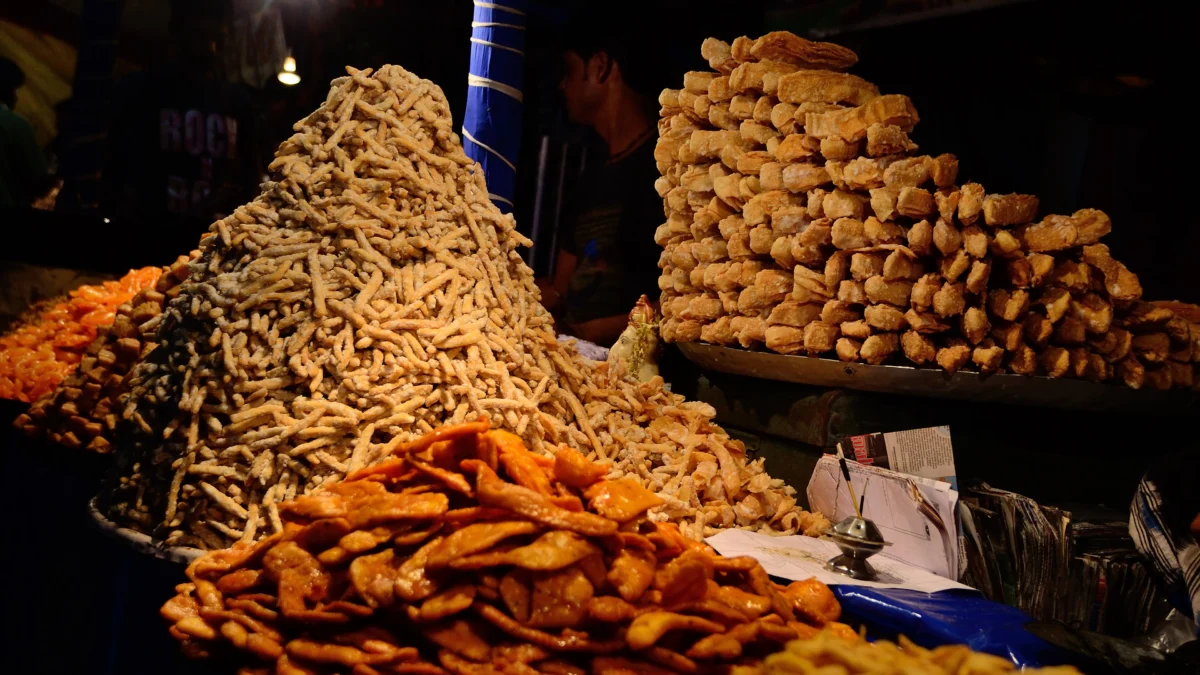
Magadh, the region south of the Ganga around Patna, Gaya and Nalanda, was the heartland of some of ancient India’s greatest kingdoms and the place where Buddhism and Jainism took shape. Its food is less famous than its history, but it is just as distinctive. This is the land of sattu, of sweets made for gods and guests, of Gaya’s tilkut and Silao’s khaja, of the Magahi paan leaf and of a kitchen that still follows the festival calendar closely.
Where is Magadh?
Today the Magadh region broadly covers the Magahi-speaking districts of south and central Bihar, including Patna, Gaya, Nalanda, Nawada, Jehanabad, Aurangabad and Arwal. Its language, Magahi, takes its name from Magadhi Prakrit, the language of the ancient kingdom. Read more in our story on the languages of Bihar.
Food for the gods
Wikipedia’s survey of Bihari cuisine describes Magahi cuisine as the food of the Magahi people of the Magadh region, and notes that Magahi people take pride in celebrating festivals and religious rites with food, so that their food resembles the delicacies offered to deities. Many of the region’s best-known foods are festival sweets: thekua for Chhath, tilkut for Makar Sankranti, anarsa for Diwali and khaja for weddings.
The land of sattu
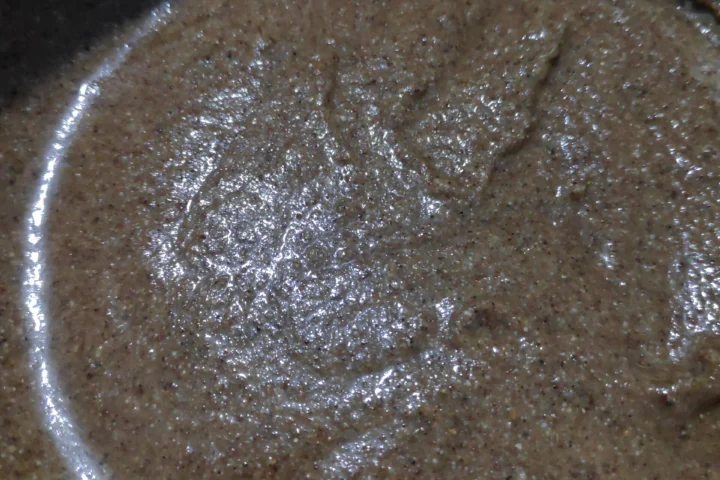
Sattu, roasted gram flour, is eaten across Bihar, but it is especially associated with the south. Down To Earth reported in 2012 that sattu is especially popular in southern Bihar, so much so that people from north Bihar jokingly call southern Biharis “sattukhor”, sattu-eaters. In Magadh, sattu is drunk as sharbat in summer, kneaded into dough with onion and chilli, stuffed into litti and parathas, and carried on journeys. See our story on sattu.
The sweets of Magadh
- Tilkut of Gaya: sesame and jaggery pounded by hand in winter, said to be best from Gaya. See Gaya tilkut.
- Khaja of Silao: the layered sweet of Nalanda district, GI-tagged in 2018, and traditionally given as a gift at a daughter’s wedding in Magadh. See Silao khaja.
- Anarsa: rice and jaggery rolled in seeds, especially associated with Gaya. See anarsa.
- Lai: Wikipedia notes several kinds of lai in Bihar, including Gaya lai made from ram dana (amaranth) seeds with khoya and sugar, and khubi ka lai from Barh.
- Motichoor laddoo of Maner: listed by Wikipedia among Bihar’s famous sweets.
- Khurma: a sweet that Wikipedia describes as found only in south-west Bihar.
Magahi paan
Magahi paan, a betel leaf grown in the Magadh region, is one of Bihar’s GI-tagged agricultural products. According to Bihar Bhawan, its GI area covers Aurangabad, Gaya, Nawada and Nalanda districts, and it was registered in 2018. The leaf is prized for its softness and taste, and paan is offered to guests and used in rituals across Bihar.
Everyday food
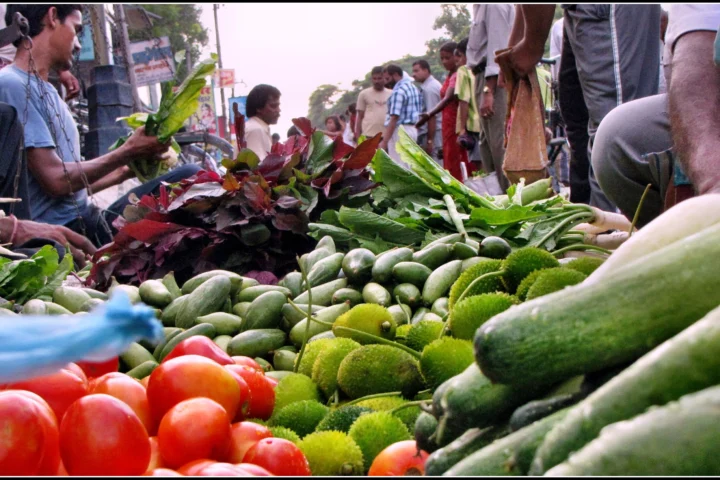
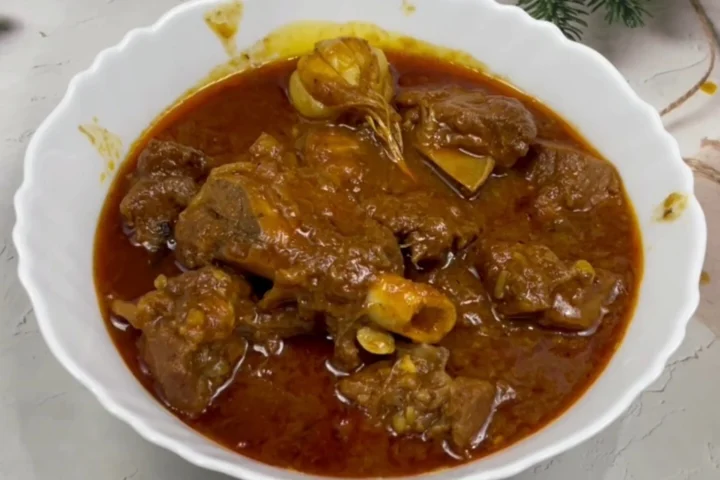
The everyday food of Magadh is much like that of the rest of Bihar: rice, dal, roti, chokha, bhujia and pickle, cooked in mustard oil. Litti chokha, chana ghugni, kadhi badi and dal pitha are all popular. Seasonal dishes follow the year, from sattu drinks in summer to khichdi and chura in winter.
Food and history
Magadh’s ancient sites have their own food stories. According to Buddhist tradition, at Bodh Gaya a village woman named Sujata offered the Buddha a bowl of milk-rice before his enlightenment, and the episode is remembered by pilgrims today. A popular local belief holds that the Buddha was served khaja at Silao on his way from Rajgir to Nalanda, though this is folklore. Buddhist literature mentions a sweet called palala, which some identify with a preparation of sesame similar to tilkut. Such stories show how closely food is woven into the region’s sense of its past, even where history and legend blur.
Regional variations
Within Magadh, Patna’s urban food culture, with its street food and sweet shops, differs from the rural cooking of Gaya, Nawada and Aurangabad. Gaya is known for tilkut, anarsa and lai; Nalanda for khaja; Patna City for khurchan; Maner for laddoos. Pilgrim towns such as Bodh Gaya and Rajgir also have cafes and restaurants serving visitors from across Asia.
Why it matters
Magadh’s food shows how a region’s cuisine can be shaped by its religion, agriculture and history. Its sweets carry the rhythms of the festival calendar; its sattu reflects the needs of a farming and working population; and its specialities now have GI tags and growing markets.
Conclusion
The traditional food of Magadh is rooted in devotion, seasons and simple ingredients. Taste tilkut in Gaya in January, khaja in Silao on the road to Nalanda, and a glass of sattu on a summer afternoon in Patna, and you will taste the heart of south Bihar. For other regions, read about Anga cuisine, Bhojpuri food and Mithila’s love for fish.