Thekua to Litti: Must-Try Foods at Bihar’s Local Markets
Thekua before Chhath, tilkut in January, litchis in June and GI-tagged khaja, makhana and Magahi paan. What to eat at Bihar’s markets.
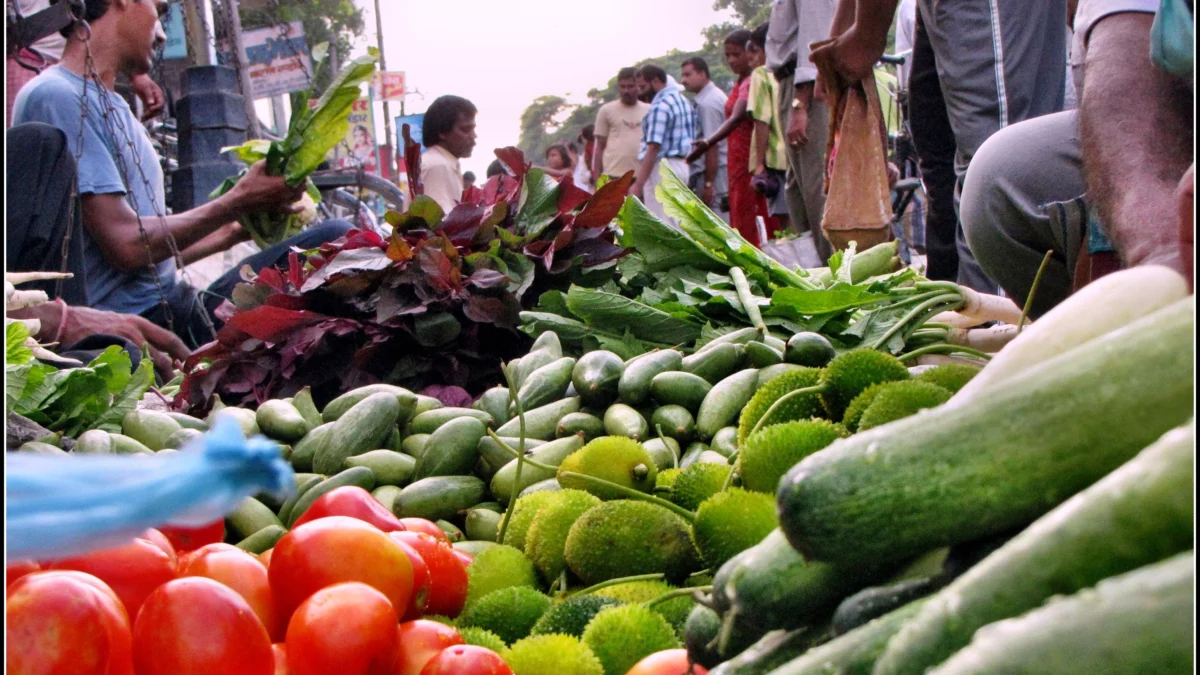
To taste Bihar properly, go to its markets. Not only the big bazaars of Patna, but the weekly haats of small towns, the sweet shops lining highways, the fruit stalls that appear for a few weeks each summer and the busy festival markets before Chhath and Makar Sankranti. Each region has its specialities, and some are now protected by Geographical Indication (GI) tags. This guide lists the foods worth looking for, where they come from and when to find them.
Everyday market favourites
Litti chokha. Bihar’s best-known dish is sold from carts and stalls in almost every market town, roasted over charcoal and served with mashed brinjal, potato and tomato. Read more in our story on litti chokha.
Chana ghugni and chura. Black chickpeas cooked in mustard oil, sold with flattened or puffed rice, especially in the mornings and evenings. See chana ghugni.
Sattu. Sacks of roasted gram flour are a fixture of Bihari grocery shops and markets, and in summer, stalls sell sattu sharbat, which Bihar Tourism lists among the state’s signature dishes. See sattu.
Festival market foods
Thekua (before Chhath). In the days before Chhath, markets fill with the ingredients for thekua and with bamboo soop, baskets and wooden moulds, and sweet shops sell ready-made thekua. See thekua.
Tilkut and chura (Makar Sankranti). In December and January, tilkut is sold everywhere, and Gaya’s tilkut is the most famous. Chura and jaggery are bought in bulk for dahi chura. See Gaya tilkut.
Malpua (Holi). Sweet shops fry malpua in huge quantities around Holi. See malpua.
GI-tagged foods of Bihar
Several of Bihar’s foods are registered as Geographical Indications, recognising that their qualities are linked to their place of origin. According to Bihar Bhawan’s list of the state’s GI products, these include:
- Silao Ka Khaja (2018), the layered sweet of Silao in Nalanda district. See Silao khaja.
- Shahi litchi (2018), grown in Muzaffarpur, East Champaran, Vaishali, Samastipur and Begusarai, and in season in May and June.
- Bhagalpuri Zardalu mango (registered in 2018), from Bhagalpur and adjoining districts.
- Katarni rice (2018), an aromatic rice of Munger, Banka and southern Bhagalpur.
- Magahi paan (2018), the betel leaf of Aurangabad, Gaya, Nawada and Nalanda in the Magadh region.
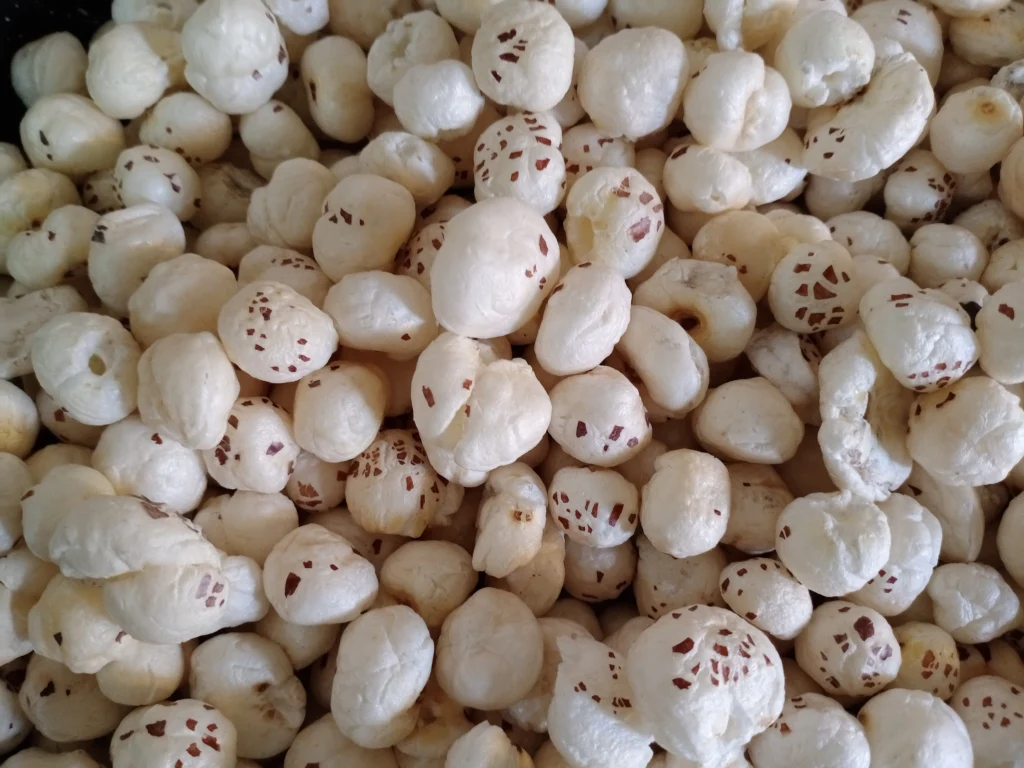
Mithila makhana, the fox nut grown in the ponds of north Bihar, also has a GI tag, registered under the name of the Mithilanchal Makhana Utpadak Sangh, according to Wikipedia. Bihar produces 80 to 90 percent of India’s makhana, according to a 2025 Government of India factsheet. Marcha rice from West Champaran received a GI tag in 2023.
Town specialities
Bihar’s towns are known for particular sweets and snacks. Wikipedia’s survey of Bihari cuisine mentions, among others:
- Motichoor laddoo of Maner, near Patna.
- Khubi ka lai of Barh, and lai made from ram dana (amaranth) seeds in Gaya.
- Balushahi of Harnaut and Nathnagar (Bhagalpur).
- Kala jamun of Munger, Bhagalpur and Banka districts.
- Peda of Kesaria.
- Khaja of Pipra in Supaul, besides Silao.
- Murki of Koelwar.
- Khurchan, layers of scraped thickened milk, in Patna City, the old town.
Seasonal fruit and produce
Bihar’s markets follow the seasons closely. Summer brings litchis from Muzaffarpur and mangoes, including Bhagalpur’s Zardalu. The monsoon brings gourds, parwal and leafy greens. Winter brings fresh peas, green chickpeas, cauliflower, mustard and bathua greens, new rice, jaggery and sesame. Makhana is sold year-round but is especially important around Kojagara in Mithila.
Tips for market visits
- Ask where produce comes from: vendors are usually proud to tell you.
- Buy sweets from busy shops, where stock is fresh.
- Litchis and some mangoes have very short seasons, sometimes only a few weeks.
- For GI products, look for packaging that names the place of origin and the producer.
- Weekly haats are best visited in the morning, when they are busiest.
Why local markets matter
Bihar’s markets are where its food culture lives. They support farmers, halwais and small vendors, keep regional specialities alive and connect villages with towns. GI tags and online sales have brought some products to national and international buyers, but the best place to taste them is still where they are made.
Conclusion
From thekua before Chhath to litti on a winter evening, from litchis in June to tilkut in January, Bihar’s markets offer a year-round feast. Plan your visit with the seasons, follow your nose and ask locals for their favourites. For more ideas, see our guide to the street food of Patna.