Anga Cuisine: Exploring the Flavours of Bhagalpur
Katarni rice, Zardalu mangoes, mustard fish curry, kala jamun and Nathnagar’s balushahi. The food of the Anga region around Bhagalpur.
East of Magadh, along the southern bank of the Ganga, lies Anga, the region around Bhagalpur, Munger and Banka that was one of the great kingdoms of ancient India. Today it is best known for Bhagalpur silk and Manjusha art, but it also has a food culture of its own: fragrant Katarni rice, the Zardalu mango, mustard-laced fish curry, kala jamun and the balushahi of Nathnagar. Anga cuisine, sometimes called Angika cuisine after the region’s language, deserves to be far better known.
The region
Anga takes its name from the ancient kingdom whose capital, Champa, is associated with the Champanagar area of present-day Bhagalpur. The region’s language, Angika, is spoken in Bhagalpur, Munger, Banka and parts of the Purnia division, as well as in Jharkhand. Read more in our stories on the languages of Bihar and Bhagalpur silk.
What defines Anga cuisine
Wikipedia’s survey of Bihari cuisine describes Angika cuisine as predominantly consumed in the Anga region and characterised by the use of mustard oil, fish and bamboo shoots. It names the Bihari fish curry and sarse baingan, a mustard preparation of eggplant, as beloved Angika delicacies, along with ghugni-mudi (ghugni with puffed rice) and thekua. Like much of eastern Bihar, the region’s cooking leans towards rice, fish and mustard, with flavours that also echo neighbouring Bengal.
Katarni rice
Katarni is an aromatic rice that has long been prized in the Anga region. According to Bihar Bhawan, Katarni rice received a Geographical Indication tag in 2018, with its area defined as Munger, Banka and southern Bhagalpur, in the southern alluvial plain of the Ganga. It is used for festive rice dishes, kheer and chura (flattened rice), and many families consider it the best rice for special occasions.
The Zardalu mango
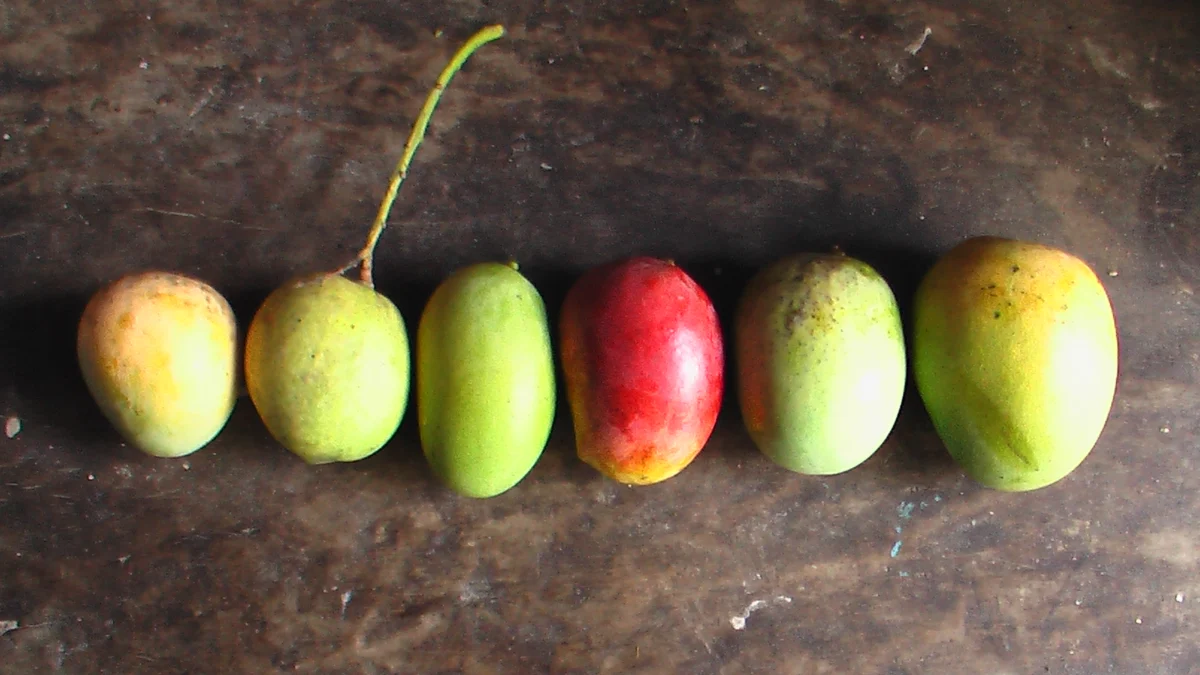
Bhagalpur is mango country, and its most famous variety is the Zardalu, a fragrant mango with a distinctive aroma. The Bhagalpuri Zardalu mango was registered as a Geographical Indication on 28 March 2018, according to Bihar Bhawan, for Bhagalpur and adjoining districts. In summer, the mango orchards of the region supply markets across Bihar and beyond, and Zardalu mangoes have been showcased at conferences promoting Bihar’s GI-tagged produce.
Fish and mustard
The Ganga and its tributaries make fish an important part of Anga’s diet. The region’s fish curry is typically cooked in mustard oil with a paste of mustard seeds, turmeric, chilli and garlic, and eaten with rice. Sarse baingan applies the same mustard flavour to brinjal, making a sharp, pungent vegetable dish.
Sweets of Anga
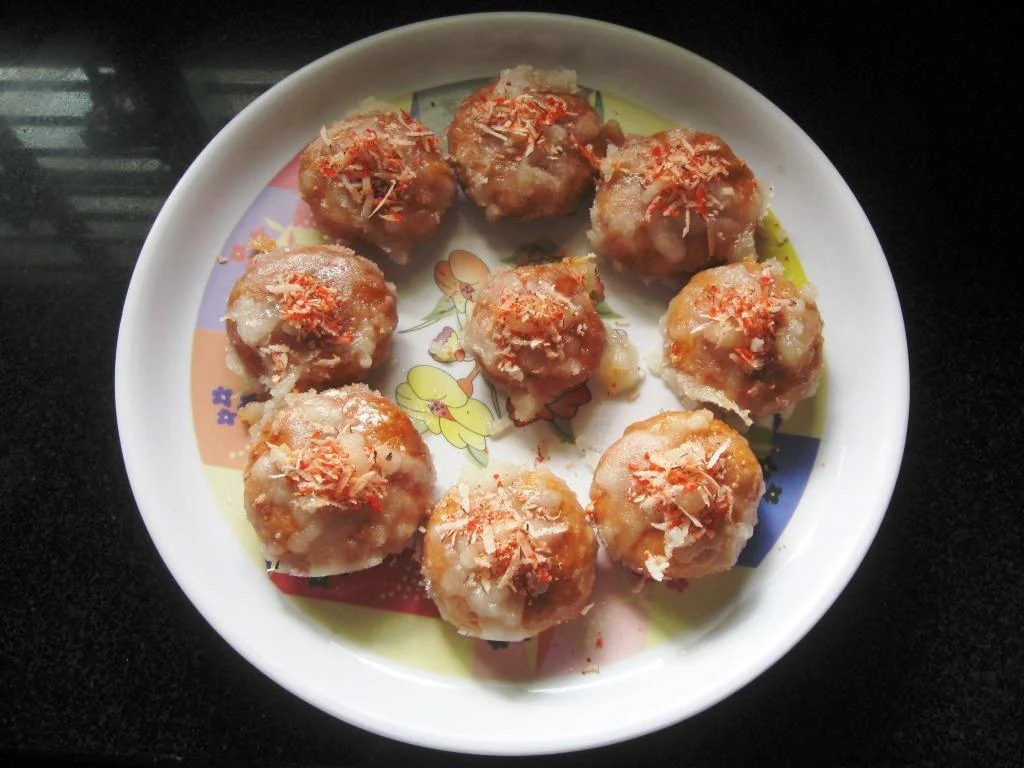
- Balushahi: a glazed, flaky sweet of maida, ghee and sugar. Wikipedia notes that famous balushahi comes from Harnaut and from Nathnagar in Bhagalpur, and Bihar Tourism lists balushahi among the state’s sweets.
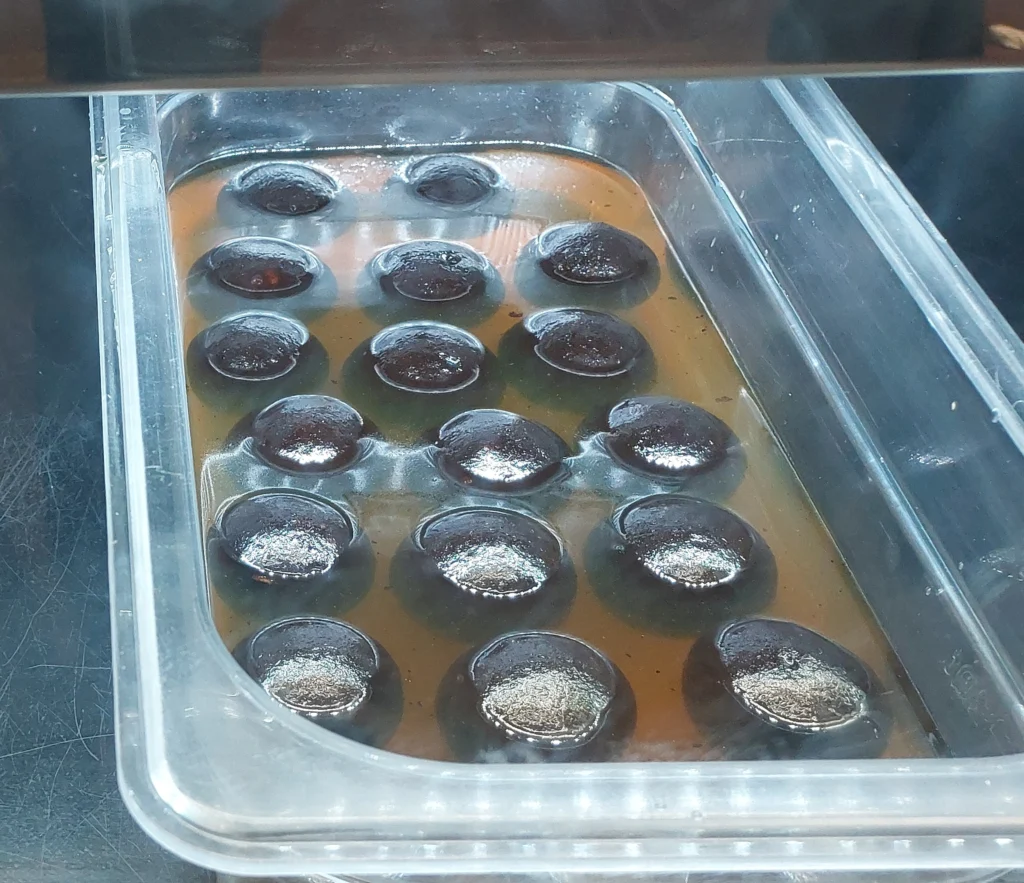
- Kala jamun: Wikipedia notes that Munger, Bhagalpur and Banka districts are known for kala jamun, a dark, fried sweet of khoya soaked in syrup, and for pantua, an elongated version.
- Thekua and other festival sweets: as elsewhere in Bihar, thekua is essential for Chhath.
Festivals and food
Anga’s festival calendar has its own food traditions. The monsoon festival of Bihula-Bishahari, for the snake goddess, is unique to the region and gave rise to Manjusha art. Chhath, Makar Sankranti and Holi bring the sweets and dishes found across Bihar: thekua, dahi chura with tilkut, and malpua.
Regional variations
Anga’s cooking shifts from west to east. Around Munger, which borders Magadh, sattu, litti and Magahi-style dishes are common. Around Bhagalpur and Banka, rice, fish and mustard dominate. Towards Purnia and the Kosi region, the food has more in common with Mithila and Bengal. Wikipedia also notes the use of bamboo shoots in Angika cooking.
Why it matters
Anga cuisine is a reminder that Bihar is not one food region but several. Its GI-tagged rice and mango, its fish and mustard dishes and its sweets reflect a distinct landscape and history. Recognition of Katarni rice and Zardalu mango has also helped farmers find new markets.
How to explore it
If you are in Bhagalpur, try a Katarni rice meal with fish curry, look for Zardalu mangoes in early summer and visit the sweet shops of Nathnagar for balushahi. In Munger, Bhagalpur and Banka, ask for kala jamun. And if you are visiting for Bhagalpur silk, combine your visit to the weaving areas with a food walk.
Conclusion
Anga cuisine is the taste of the eastern Gangetic plain: fragrant rice, mustard-sharp fish and sweet mangoes, rounded off with balushahi and kala jamun. It is one of Bihar’s least explored food regions, and one of its most rewarding. For other regions, read about the food of Magadh and Mithila’s love for fish.