Sattu: The Traditional Superfood of Bihar
Roasted gram flour, made in hot sand and eaten as drink, dough and filling. How sattu is made, what research says about it and why Bihar loves it.
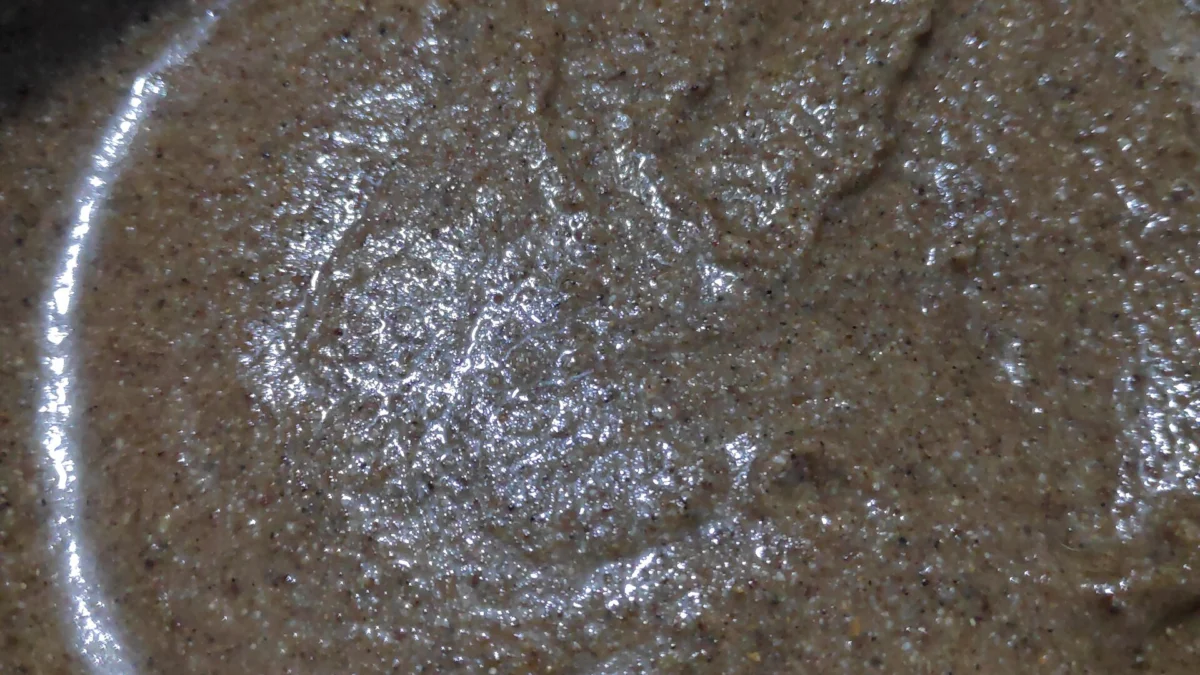
Long before protein powders and gym shakes, Bihar had its own fast, filling, plant-based fuel. Sattu, flour made from roasted gram or grains, has fed the state’s farmers, labourers, students and travellers for generations. It needs no cooking, keeps for months, costs little and can become a drink, a dough, a filling or a meal in minutes. Today the rest of India is discovering it as a “superfood”. In Bihar, it has simply always been there.
How sattu is made
Sattu is made by dry-roasting pulses or grains and grinding them into flour. In Bihar, the most common kind is made from chana (Bengal gram or black chickpeas), though barley, maize and mixtures are also used. According to Wikipedia, the traditional method roasts the grains in hot sand in an iron vessel; they are then sieved to remove the sand and ground into a fine flour. Roasting in sand gives an even heat that cooks the grain through without burning it.
This was once the work of the bharbhuja, the grain-parcher, whose roadside stoves and heaps of hot sand were a familiar sight in Bihari towns. Wikipedia’s account of Bhojpuri cuisine describes a large makeshift stove called a bhadsar used for roasting chana for chana chabeni, a typical Bhojpuri breakfast. Today much sattu is made in small mills and packaged, but freshly roasted, locally ground sattu is still prized.
What the research says
A 2026 report in The Week, produced with the fact-checking project First Check, summarised recent studies on sattu:
- A 2021 study of sattu formulations made from chickpea, barley, wheat and maize found comparable protein levels across them and glycaemic index values of 56 to 60, which the report described as medium, with products remaining shelf-stable for about 60 days.
- A 2023 trial of sand-roasting found that roasting at 180°C for 15 minutes gave the best sensory results and that roasting increased phenolic content and antioxidant activity and formed resistant starch.
- A 2025 review described sattu as rich in calcium, iron and fibre and low in sodium, and estimated that 100 grams may provide around 25 grams of plant protein.
The report noted that the 2025 review described sattu’s glycaemic index as extremely low, which conflicts with the medium values found in 2021, a reminder that health claims about traditional foods should be read carefully.
Cautions
A clinical nutritionist quoted by The Week noted that chana sattu provides plant protein, fibre, complex carbohydrates, iron, magnesium and several B vitamins, but advised that a sudden increase in fibre can cause bloating, that people with legume allergies should avoid it, that people with digestive disorders should watch their tolerance and that people with kidney disease on controlled protein intake should consult a doctor. Sattu is best eaten in moderation and without too much added sugar.
The sattu calendar
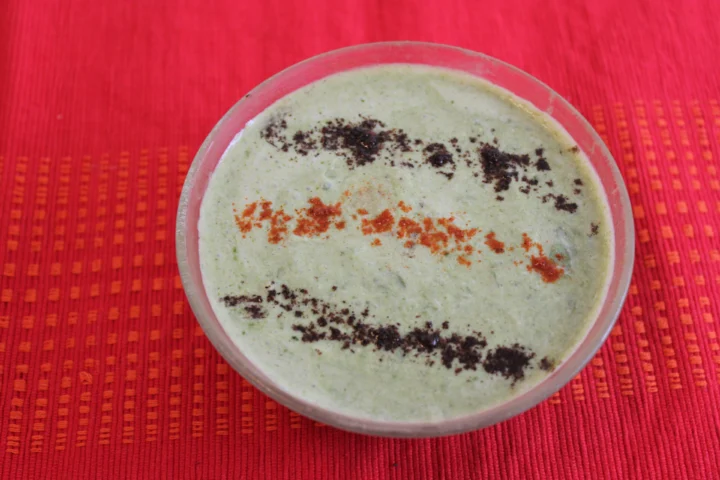
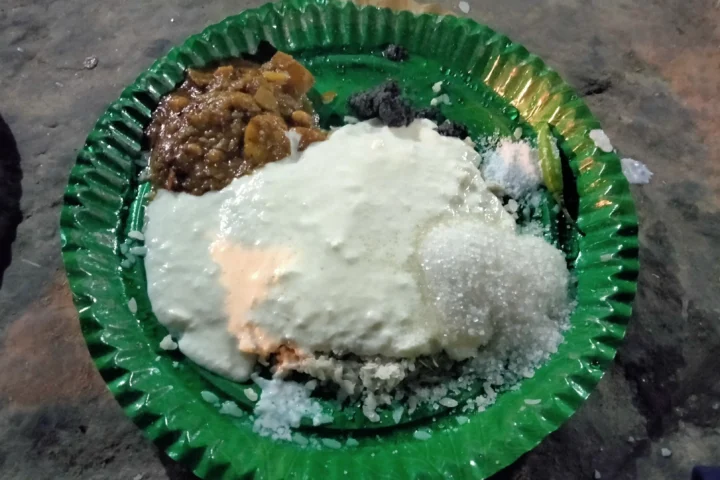
Sattu has its own festival in the Bhojpuri region. Wikipedia describes Sattuani, or Sattua Sankranti, which falls on Mesh Sankranti in mid-April, when a thali of cooling foods is prepared: sattu ka panna (a sattu drink), aam ka tikora (raw mango), cucumber with roasted cumin and rock salt, and alsi (flaxseed) chutney, with a cup of buttermilk called jirwani. In Mithila, the eve of the Maithil new year is also called Satuani. The timing is no accident: mid-April marks the start of the hot season, when sattu drinks are most welcome.
Ten ways Bihar eats sattu
- Sattu sharbat or ghol, stirred into cold water with lemon, salt and roasted cumin, listed by Bihar Tourism among the state’s signature dishes.
- Sweet sattu drink with jaggery or sugar.
- Sattu dough kneaded with water and salt, eaten with onion and chilli.
- Litti, wheat dough balls stuffed with spiced sattu and roasted. See litti chokha.
- Sattu paratha or makuni. See sattu paratha.
- Phutehri and other sattu-stuffed breads.
- Sattu laddoos with milk and sugar.
- Sattu kachori and puri stuffed with sattu.
- Sattu mixed into chokha or chutney.
- Sattu porridge, mixed with milk or curd.
Why Biharis love it
Sattu fits the realities of rural life in Bihar. It needs no fuel to prepare, which matters in homes where firewood is scarce. It keeps well in heat. It gives lasting energy for hard physical work. And it is affordable. Down To Earth reported in 2012 that elderly people in Bihar credit sattu with protecting rural communities from malnutrition, and that it is especially popular in southern Bihar.
From poor man’s food to superfood
For much of the 20th century, sattu was seen as a food of the poor. That image has changed. The Week reported that sattu has moved into mainstream health discussions and now appears in gym shakes and summer drinks. Packaged sattu, flavoured sattu drinks and sattu snacks are sold online and in supermarkets across India, and Bihari migrants have made sattu stalls familiar in Kolkata, Delhi, Mumbai and beyond.
Regional variations
In Bihar, chana sattu is standard. In Punjab, sattu is often made from barley and drunk with jaggery; in Odisha, chhatua is a mixed-grain sattu eaten for breakfast with banana, curd or milk; and similar roasted flours are eaten in Nepal and the Himalaya. For more on sattu’s history and uses, read our earlier story, Sattu: Bihar’s Traditional Superfood.
Conclusion
Sattu is proof that a superfood does not need to be exotic. Made from roasted gram and a little patience, it has sustained Bihar for generations, and it is finding new admirers every year. Stir a spoonful into cold water with lemon and salt on a hot afternoon, and you will understand why.