Forgotten Recipes of Bihar: Dishes Our Grandparents Still Remember
Dahirvari, chautha, girvanchh, arikanchan, ammath, perukia and the Sattuani thali. Traditional Bihari recipes that are slipping out of everyday kitchens.
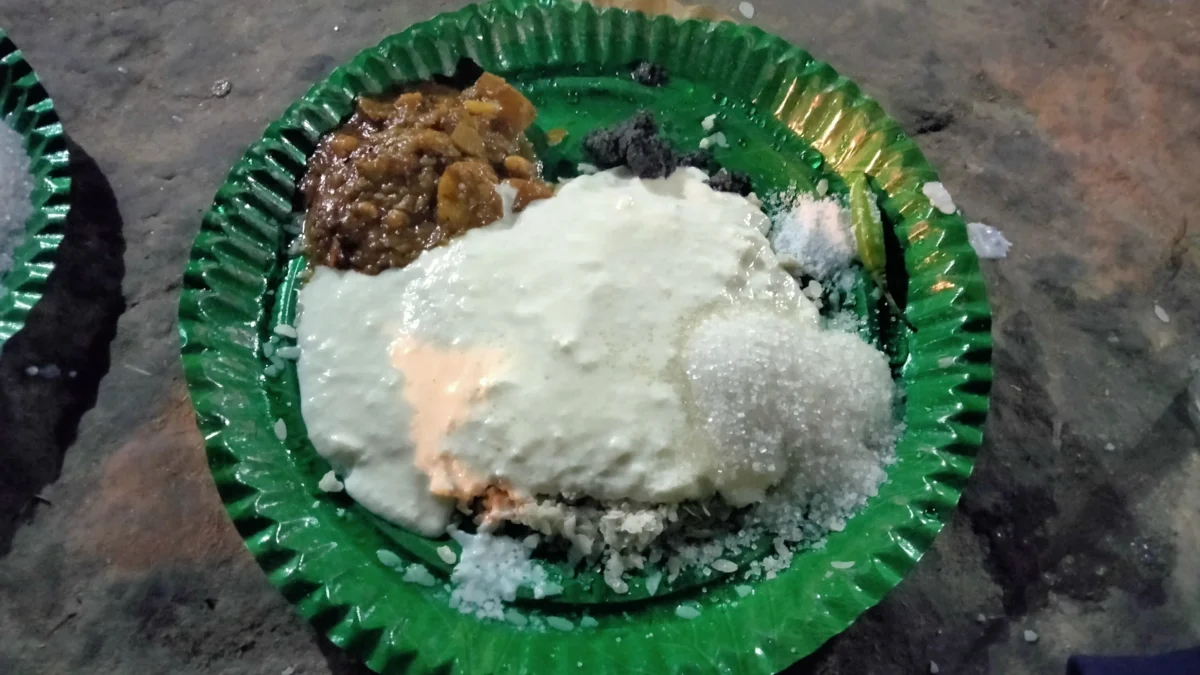
Ask an elderly relative in Bihar about the food of their childhood and you may hear names that few young people recognise: dahirvari, chautha, girvanchh, arikanchan, ammath, perukia, gulgula. Some of these dishes are still made in villages and on festivals; others have quietly disappeared as kitchens have changed, families have shrunk and packaged foods have taken over. This is an introduction to some of those recipes, gathered from published descriptions of Bhojpuri, Maithil and Bihari cooking, so that the names at least are not forgotten.
Why recipes are forgotten
Many traditional Bihari dishes depend on time, seasonal ingredients and skills that are passed on by example rather than written down. Some need days of fermenting or drying in the sun; others use wild greens, flowers or grains that are no longer easy to find in city markets. As families move to cities and cooking shifts to quicker meals, these recipes are made less often. Yet many survive in village kitchens, at festivals and in the memories of older cooks.
Breads and fritters
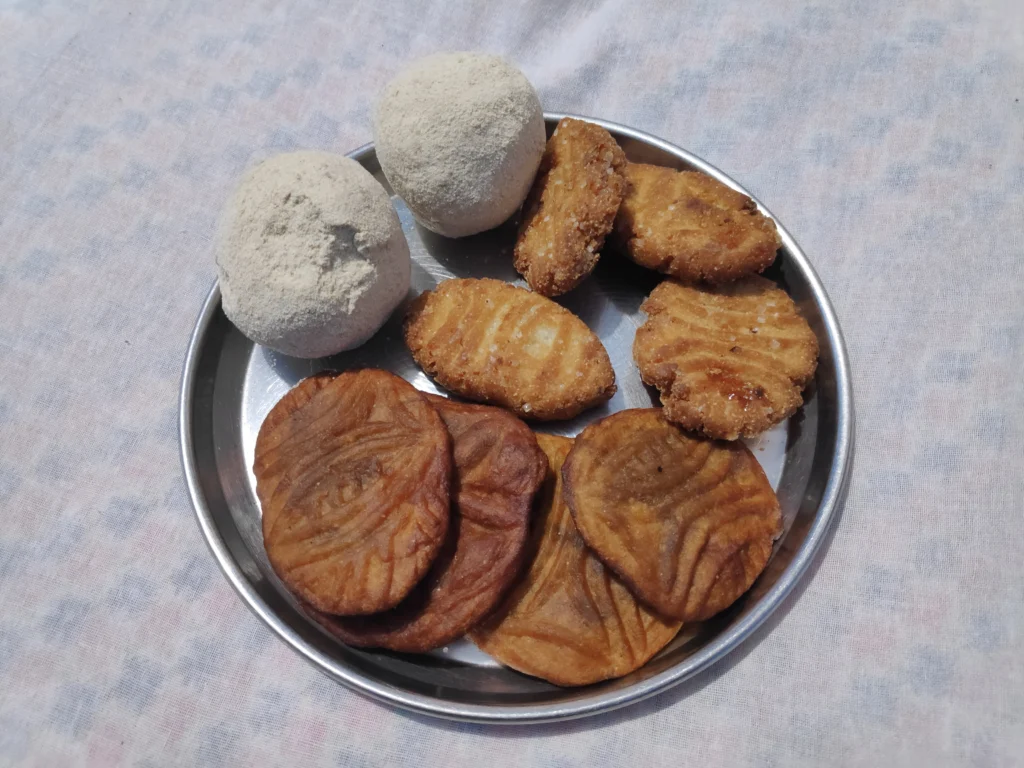
- Dahirvari: fermented sweet fritters, described by Wikipedia as usually made in bulk to be given to married daughters. Flour is mixed with jaggery and water and left to ferment; the batter is then beaten and fried in ghee.
- Mahuari: a bread flavoured with mahua, the flowers of the mahua tree.
- Duhathi or panhathi: a soft, thin, double-layered roti.
- Chautha: a thin batter spread over a griddle like a dosa or cheela.
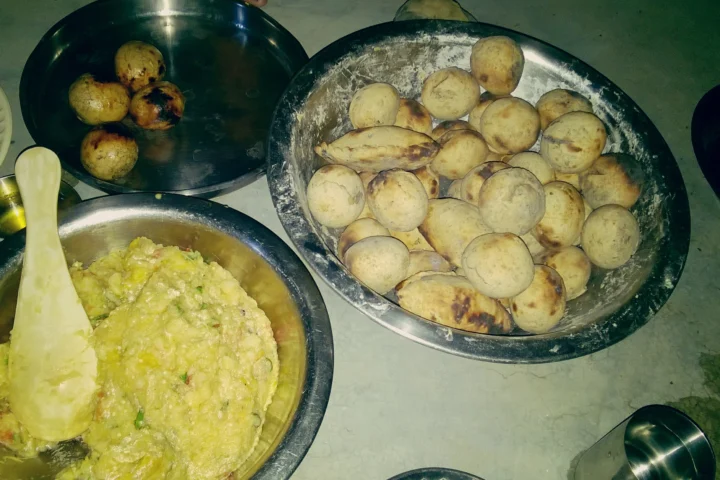
- Gojha, pangojha or bhakosa: dal-stuffed bread, steamed or fried, made with wheat flour, rice flour or semolina.
- Phulvara or dhuaans: fritters of urad flour with black pepper and asafoetida, with a hole made in the centre, served with chutney or yoghurt.
- Advari: fermented urad dal paste mixed with spices and petha pulp, shaped into small dumplings and dried in the sun before frying.
Rice dishes of the old kitchen
Wikipedia’s account of Bhojpuri cuisine describes a family of rice dishes called jaauri: noon jaauri, rice cooked with salt, spices, vegetables and dal badis, served with raita; meeth jaauri, rice cooked with jaggery or sugar, dry fruit and saffron; dahi jaauri, partly cooked rice mixed with beaten curd; and doodh jaauri, rice cooked in milk with ghee and sugar, thinner than kheer. It also describes khatua, a lemon-flavoured khichdi.
Leaves, flowers and wild greens
- Girvanchh or rikvanchh: arbi (colocasia) leaves coated in spiced gram-flour batter, folded and fried, eaten in the monsoon month of Shravan.
- Arikanchanak tarkari: a Maithil dish of marinated, sun-dried colocasia leaves, steamed and cooked in mustard gravy.
- Karmi and noni saag: greens linked to festivals, karmi to Rishi Panchami and noni to the breaking of the Jitiya fast.
- Kadam chutney: Wikipedia notes the Bihari use of smoked chilli in a chutney made from kadam, a sweet-sour fruit.
Sweets and preserves
- Perukia: a sweet that, according to Wikipedia, women spend the whole day before Hartalika Teej preparing; it is offered to the deity and eaten for several days, as it keeps without refrigeration.
- Gulgula: sweet fritters cooked the night before Ramnavami, with kheer, puri and dal-puri.
- Laapsi of singhara and khas-khas: a sweet of water chestnut flour and poppy seeds linked to Janmashtami.
- Cheeni ke khilone: sugar toys associated with Diwali.
- Postaa-dana halwa: a winter pudding of poppy seeds soaked overnight, ground and sautéed in ghee.
- Ammath: a Maithil preserve of layered mango pulp, sun-dried and cut into small pieces, alongside murabbas of ash gourd, papaya and amla.
- Kasar and belgrami: sweets made for Chhath; kasar is a dry sweet of coarsely ground rice.
The Sattuani thali
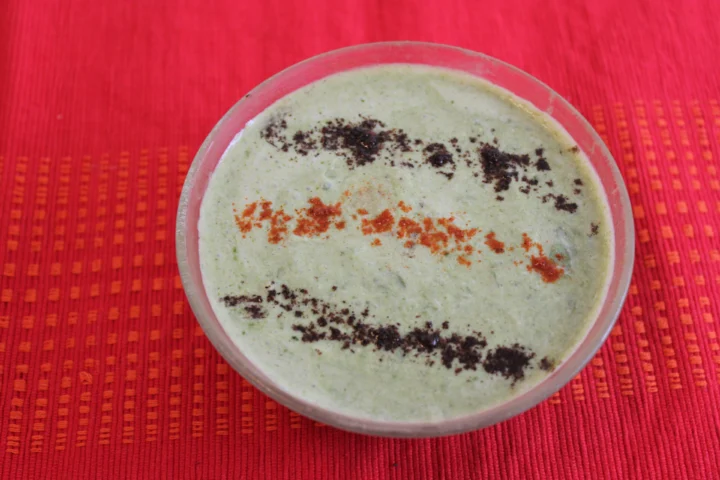
One of the most interesting traditional meals is the thali of Sattuani, or Sattua Sankranti, in mid-April. Wikipedia describes it as made up of foods with cooling properties: sattu ka panna, aam ka tikora (raw mango), cucumber with roasted cumin and rock salt, and alsi (flaxseed) chutney, with a cup of buttermilk called jirwani. In Mithila, the eve of the new year brings kadhi-badi-bhaat and tarua, cooked the day before and eaten cold, as described in our story on kadhi badi.
Maithil breakfasts of old
Wikipedia’s account of Maithil cuisine lists breakfast foods such as chini wala roti (sugar roti), pua, pachhua pu (a flour pancake), suji ka halwa, sweet makhana and makhan ke bhooja (salted roasted makhana), and snacks such as jhilli, a salted, jalebi-like snack of gram flour. It also lists traditional dishes including bagiya, irhar, purakiya, bhuswa and makhan payas (makhana kheer), whose recipes vary from family to family and deserve fuller documentation.
Keeping recipes alive
Recipes survive when they are cooked. Many families now record their grandmothers making traditional dishes on video, and Bihari food creators share festival recipes online. Cookbooks, community kitchens and restaurants focusing on regional food also help. If you have an older relative who still makes these dishes, the best thing you can do is cook with them and write it down.
A note on sources
The descriptions in this article come from published accounts of Bhojpuri, Maithil and Bihari cuisine. Recipes and names vary widely between families and villages, and some dishes listed here are known by different names elsewhere. We welcome readers’ recipes and corrections through our contribution page.
Conclusion
Bihar’s forgotten recipes are a library of knowledge about seasons, ingredients and festivals, held in the hands of older cooks. Some may never return to everyday kitchens, but they deserve to be remembered and, where possible, cooked again. For more, read about saag and seasonal vegetables and Bhojpuri food.