Sattu Paratha: Bihar’s Protein-Packed Favourite
Whole-wheat flatbread stuffed with spiced roasted gram flour and cooked in ghee. Bihar’s favourite breakfast and what makes it filling.
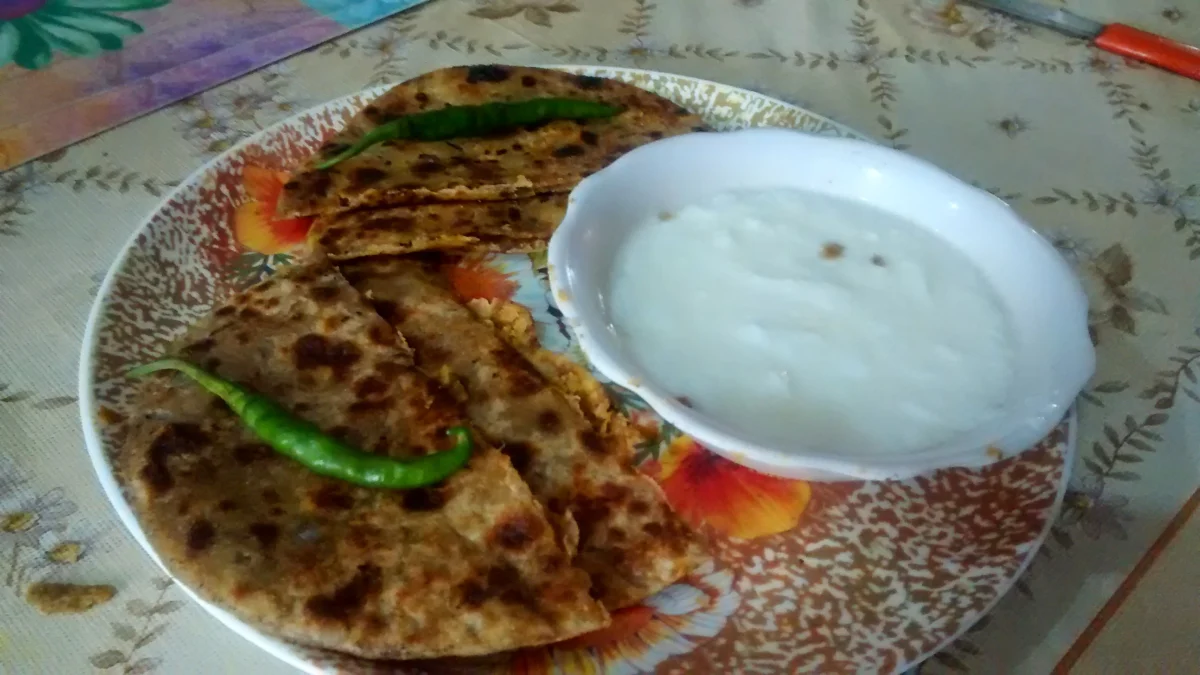
Breakfast in a Bihari home often starts with a sound: the soft slap of dough being rolled, the hiss of ghee on a hot tawa. Then comes the smell of roasted gram, garlic and mustard oil. Sattu paratha, a whole-wheat flatbread stuffed with spiced sattu, is one of the state’s favourite morning meals, eaten with pickle, curd, chokha or aloo bhujia. It is filling, inexpensive and, thanks to its gram-flour stuffing, rich in plant protein.
What sattu paratha is
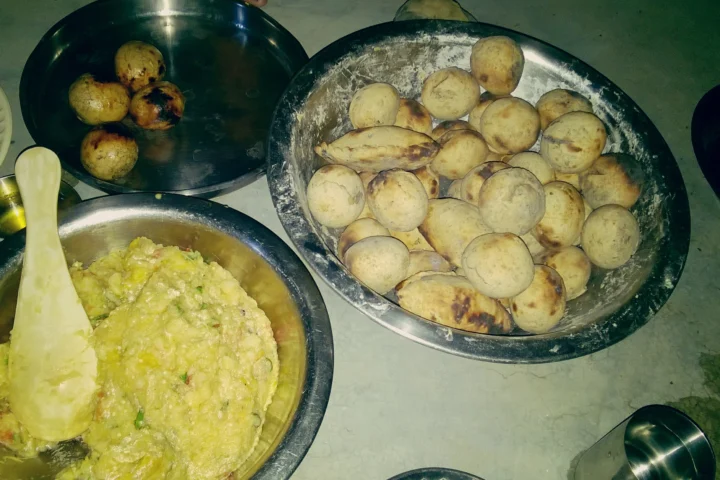
India’s tourism ministry lists sattu paratha among the must-have dishes of Patna and describes it as stuffed with a spiced sattu mixture, pan-fried and served with aloo bhujia. The Government of Bihar describes sattu paratha, also called makuni, as wheat dough stuffed with spiced sattu and cooked in ghee. The filling is sattu, roasted gram flour, mixed with chopped onion, garlic, ginger, green chilli, coriander, ajwain, kalonji, salt, lemon juice and a little mustard oil, the same family of flavours as the filling of litti.
Sattu: the star ingredient
Sattu is made by dry-roasting chana (Bengal gram), and sometimes barley or other grains, and grinding it into a fine flour. Because it is already roasted, it needs little cooking, which makes it ideal for stuffing. It has long been one of Bihar’s most important foods, eaten by farmers and workers because it is cheap, keeps well and is filling. Read more in our story on sattu, Bihar’s traditional superfood.
How protein-packed is it?
Sattu paratha is often described as a protein-rich breakfast, and there is some basis for that. A 2026 report in The Week summarised research on sattu: a 2025 review described it as rich in calcium, iron and fibre and estimated that 100 grams may provide around 25 grams of plant protein, while a 2021 study found sattu products to have a medium glycaemic index. A clinical nutritionist quoted in the report noted that chana sattu provides plant protein, fibre, complex carbohydrates and several minerals and B vitamins. Of course, a paratha also contains wheat flour and fat, so how healthy it is depends on how much ghee or oil is used and how many you eat.
How families make it
A typical home method:
- Whole-wheat flour is kneaded into a soft dough with water and a pinch of salt, sometimes with a little oil, and rested.
- Sattu is mixed with the onion, garlic, ginger, chilli, herbs, spices, lemon and mustard oil. A few drops of pickle oil or a spoonful of pickle masala are popular additions. The mixture should hold together when pressed.
- A ball of dough is flattened, filled with a generous spoonful of the sattu mixture, sealed and gently rolled out into a round.
- The paratha is cooked on a hot tawa and finished with ghee or oil until golden and crisp in spots.
The Down To Earth magazine gave a similar recipe in 2012: sattu, onion, ginger, garlic and chillies stuffed into dough and cooked on a tawa.
Makuni and its cousins
Sattu paratha has close relatives in Bihari cooking. Wikipedia’s account of Bhojpuri cuisine describes makuni or berhai, a sattu-stuffed wheat bread that is fried, somewhere between a kachori and a litti, typically eaten for brunch. It also notes that breakfast in the Bhojpuri region is bread-based and includes sattu parathas along with chhena and vegetable-stuffed parathas, served with saag-bhaaji, curd or raita. Litti, of course, uses the same filling, baked rather than rolled.
What to eat it with
Sattu paratha is versatile. Popular accompaniments include aloo bhujia (stir-fried potatoes), baingan or aloo chokha, curd or raita, mango or chilli pickle, green chutney and a glass of mattha (buttermilk) or a cup of tea. In some homes it is eaten simply with a little butter or ghee.
Regional variations
Every family has its own sattu filling. Some add more onion for sweetness, others more green chilli for heat. Some use a little raw mango or amchur for tang; others add fennel or cumin. In some areas the paratha is shallow-fried; in others it is cooked dry and brushed with ghee at the end. Chana sattu is standard in Bihar, but some cooks use barley or mixed-grain sattu.
Cultural significance
Sattu paratha belongs to the everyday food of Bihar rather than to festivals, and that is its strength. It is a breakfast for working days, a meal for long journeys and a lunchbox favourite. Because it travels well, it has long been packed for trains and buses, and for students and workers leaving home.
Modern popularity
Sattu paratha has spread far beyond Bihar, appearing on the menus of Bihari restaurants and cafes in Delhi, Mumbai and other cities, and on many recipe websites and cooking channels. Its reputation as a high-protein vegetarian breakfast has helped it find a place in the fitness world, alongside the sattu drink.
Conclusion
Sattu paratha is Bihar’s answer to a hearty breakfast: whole wheat, roasted gram, mustard oil and spice, cooked on a tawa in minutes. It is simple, satisfying and deeply rooted in the state’s food traditions. For more of Bihar’s breakfasts, read about chura ghugni and kachori, sabzi and jalebi.