Sattu: Bihar’s Traditional Superfood
Roasted gram flour that fed Bihar’s farmers and workers for generations, now sold as a superfood. The history, uses and nutrition of sattu.
On a scorching May afternoon in Patna, the busiest stall on the street is often the simplest: a man with a steel bucket, a pile of glasses, some lemons, salt and a sack of pale, sandy-coloured flour. He stirs a few spoonfuls of the flour into cold water and hands it over. This is sattu, and for generations it has been Bihar’s answer to heat, hunger and hard work. Long dismissed as a poor man’s food, it is now sold in gyms and supermarkets as a “superfood”. Its story says a great deal about Bihar.
What sattu is
Sattu is a flour made from grains or pulses that have been dry-roasted and then ground. In Bihar it is most often made from roasted chickpeas (chana), and sometimes from barley, maize or a mixture. Traditionally, the grains are roasted in hot sand in an iron vessel, then sieved and ground into a fine powder. Because it is already cooked, sattu can be eaten without further cooking, simply mixed with water.
History and origins
Sattu is an ancient food. The word comes from the Sanskrit saktu, meaning coarsely ground parched barley meal, and references to saktu appear in Ayurvedic literature. Its use spread across a wide area of the Indian subcontinent, from Nepal and the Himalaya to Punjab and Odisha, where it is called chhatua. But it is in Bihar, eastern Uttar Pradesh and Jharkhand that sattu has become a symbol of regional identity.
In Bihar, sattu has been valued above all because it is cheap, filling, keeps well and needs no cooking. A 2012 article in Down To Earth noted that it saves fuelwood in villages, and that elderly people in Bihar credit it with protecting rural communities from malnutrition. Labourers, farmers and travellers could carry a bag of sattu and make a meal anywhere with a little water, salt, an onion and a green chilli. It is especially associated with south Bihar, so much so that, as Down To Earth reported, people from north Bihar jokingly call southern Biharis “sattukhor”, sattu-eaters.
How sattu is eaten
Sattu is remarkably versatile. Some of the most common ways it is eaten in Bihar are:
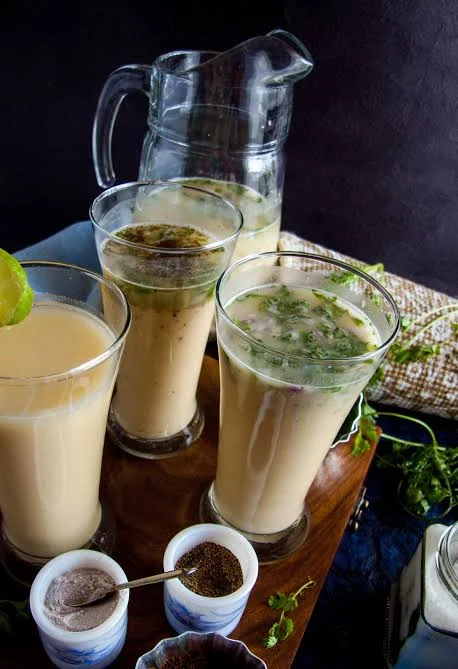
- Sattu ghol or sharbat: sattu stirred into cold water with salt, roasted cumin and lemon juice, and sometimes chopped onion and green chilli, or sweetened with sugar or jaggery. It is the classic summer drink of Bihar.
- Sattu dough: sattu kneaded with water and salt and eaten with onion, chilli and pickle, a simple meal for workers in the field.
- Litti: balls of wheat dough stuffed with spiced sattu and roasted, the heart of litti chokha.
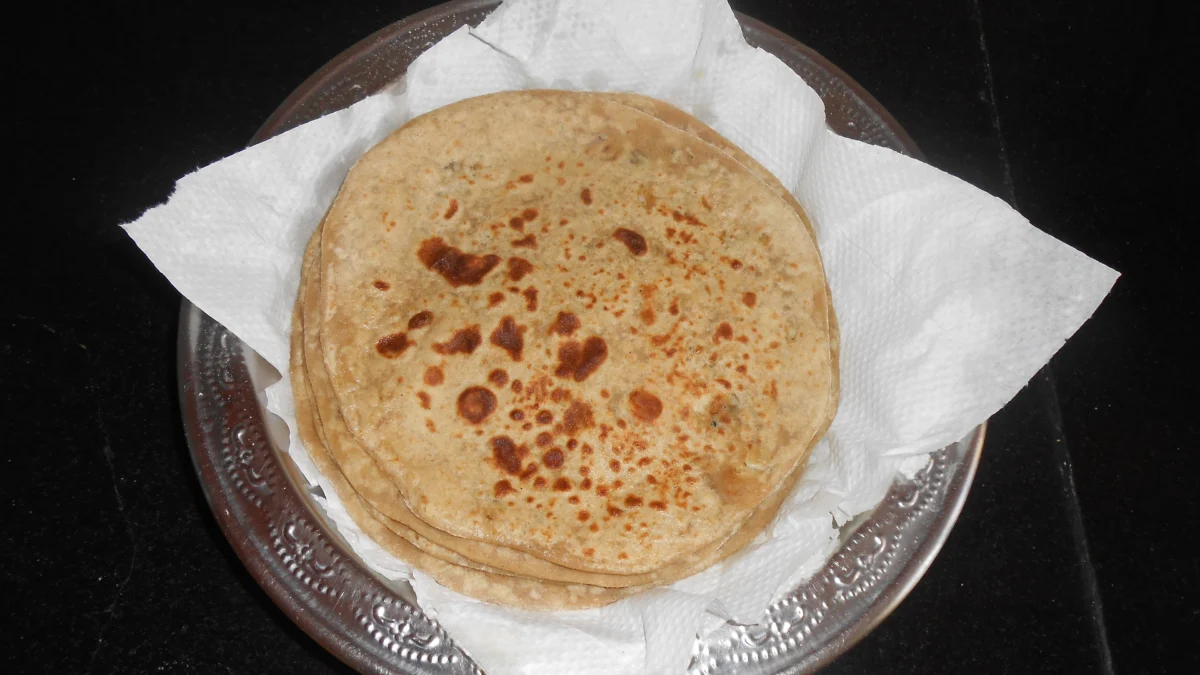
- Sattu paratha: flatbreads stuffed with sattu mixed with onion, garlic, ginger, chillies and spices, sometimes called makuni roti.
- Sattu laddoo: sweet balls of sattu mixed with milk and sugar.
Sattu in festivals and rituals
Sattu also has a place in the religious calendar, though practice varies. In the Bhojpuri region, it is especially associated with Satuaan, observed in the month of Chait (March and April), when sattu is eaten with a chutney of unripe mangoes. At the Panchkosi Mela of Buxar, sattu and sattu-filled littis are offered as prasad to Ram. On the other hand, Down To Earth observed that sattu is not generally used in major religious ceremonies in Bihar, possibly because of its long association with labouring castes. Both observations may be true in different places and communities.
People and places
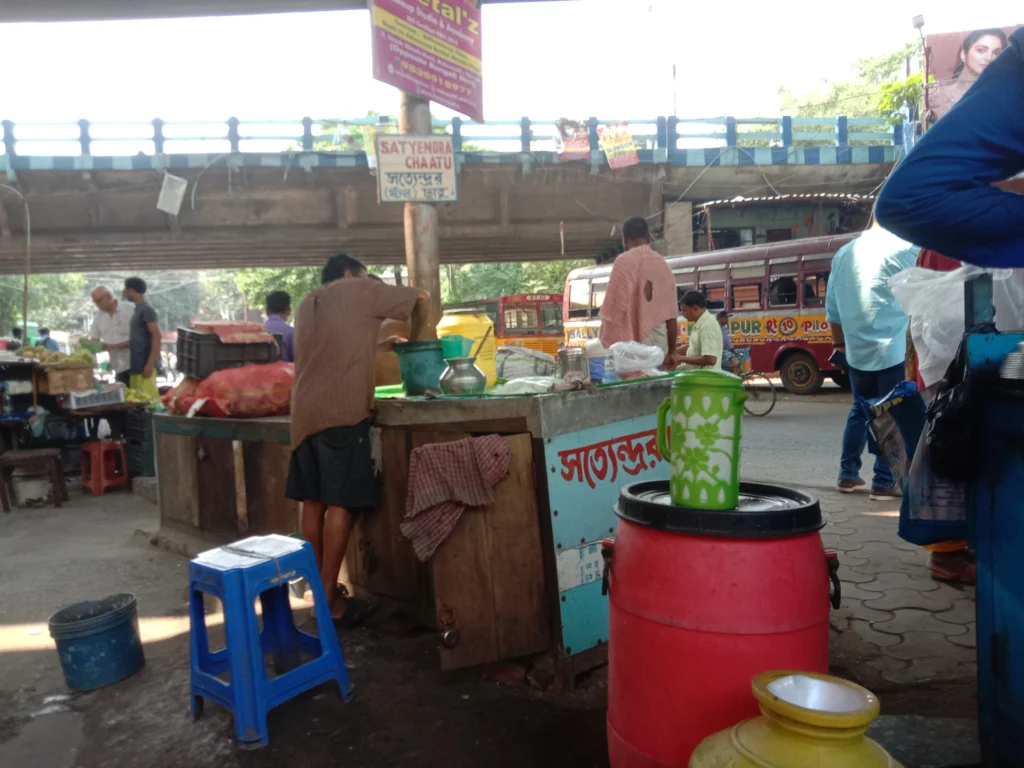
Sattu is eaten throughout Bihar but is most closely associated with the Magahi and Bhojpuri-speaking regions of central and western Bihar, including Patna, Gaya, Bhojpur and Buxar. It has also travelled far beyond the state. Workers from Bihar took sattu with them to Kolkata, Mumbai, Delhi and Punjab, and roadside sattu stalls, like the one in Howrah pictured below, are a common sight wherever Bihari migrants live.
Is sattu really a superfood?
“Superfood” is a marketing term rather than a scientific one, but sattu does have a strong nutritional profile. Chana sattu is a source of plant protein, fibre, complex carbohydrates, iron, magnesium and several B vitamins, according to a clinical nutritionist quoted by The Week in 2026. The same report summarised recent research. A 2025 review described sattu as rich in calcium, iron and fibre and low in sodium, and estimated that 100 grams may provide around 25 grams of plant protein. A 2021 study found sattu formulations to have a medium glycaemic index.
There are also cautions. Experts quoted by The Week advise that a sudden increase in fibre can cause bloating, that people with legume allergies should avoid it, and that people with kidney disease on controlled protein intake should consult a doctor. As with any food, moderation and context matter.
Regional variations
In Bihar, chana sattu is the standard, though barley and maize sattu, or mixtures, are also made. In Punjab, sattu is traditionally made from barley and drunk with jaggery. In Odisha, chhatua is often made from a mix of grains and nuts and eaten for breakfast with banana, curd or milk. In Nepal and the Himalaya, similar roasted flours are eaten too.
Facts worth knowing
- The word sattu comes from the Sanskrit saktu, parched barley meal.
- Traditionally, the grains for sattu are roasted in hot sand.
- Because it is pre-roasted, sattu can be eaten without cooking and keeps well.
- Sattu is the filling in Bihar’s famous litti.
How sattu has changed
For a long time, sattu was seen as food for the poor, eaten out of necessity. That has changed dramatically. Packaged sattu is now sold across India, in flavoured drinks, protein mixes and snack bars, and it features on health websites and in fitness culture. At the same time, the street sattu stall and the home-ground flour remain central to everyday life in Bihar.
Sattu in modern Bihar
In Bihar today, sattu is both comfort food and pride. It appears on breakfast tables as paratha, on street corners as a summer drink and in every litti. For many Biharis living elsewhere, a packet of sattu from home is one of the most welcome gifts.
Conclusion
Sattu is proof that the humblest foods can be the most enduring. Made from little more than roasted gram, it has fed Bihar’s farmers, labourers and travellers for generations, and it is now finding new admirers across India. Try it as the locals do: in a cold glass on a hot afternoon, with lemon, salt and a pinch of roasted cumin. For more of Bihar’s food traditions, read about dal pitha and Bihar’s traditional sweets.