Bhojpuri Food: The Taste of Western Bihar
Litti, makuni, dhuska, noon jaauri, nimona and a calendar of festival feasts. The food of Bihar’s Bhojpuri-speaking west.
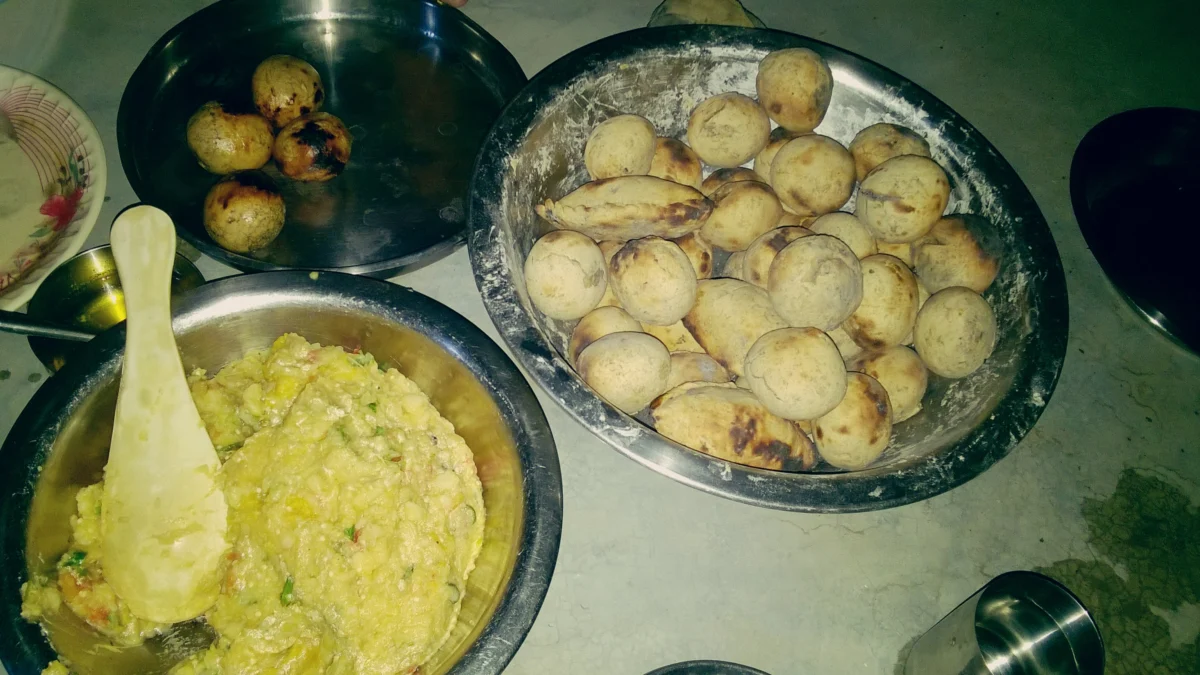
Western Bihar is the heart of the Bhojpuri world. In the districts of Bhojpur, Buxar, Rohtas, Kaimur, Saran, Siwan and Gopalganj, and across the border in eastern Uttar Pradesh, people speak Bhojpuri, sing Bhojpuri songs and eat Bhojpuri food. It is the cuisine that gave Bihar litti chokha, and it is far richer than that one dish suggests: a world of stuffed breads, sweet and savoury rice dishes, lentil dumplings, seasonal greens and festival feasts.
A note on geography
The Bhojpuri-speaking region lies in western Bihar, not the east. According to Wikipedia, the southern standard form of Bhojpuri is spoken in the old Shahabad district, now Bhojpur, Buxar, Rohtas and Kaimur, and the Saran region of Saran, Siwan and Gopalganj, with northern varieties in the Champaran districts and Muzaffarpur. Bhojpuri cuisine is shared with eastern Uttar Pradesh and the Nepal Terai.
The character of Bhojpuri food
Wikipedia’s account of Bhojpuri cuisine describes the food as mostly mild and less hot in terms of spices, though it can be spicier to individual taste, and notes that it was suited to a rural lifestyle in which people spend many calories working in the fields. Spices are used in moderation, with dishes sometimes containing only two or three. Panch phoron, a mix of five spices, is a key seasoning. Wheat and rice are the staple cereals, with maize, barley and millets also eaten.
The breads
Bhojpuri cooking has an extraordinary range of breads. Wikipedia lists, among others:
- Litti, the baked sattu-stuffed dough ball, eaten with chokha. See litti chokha.
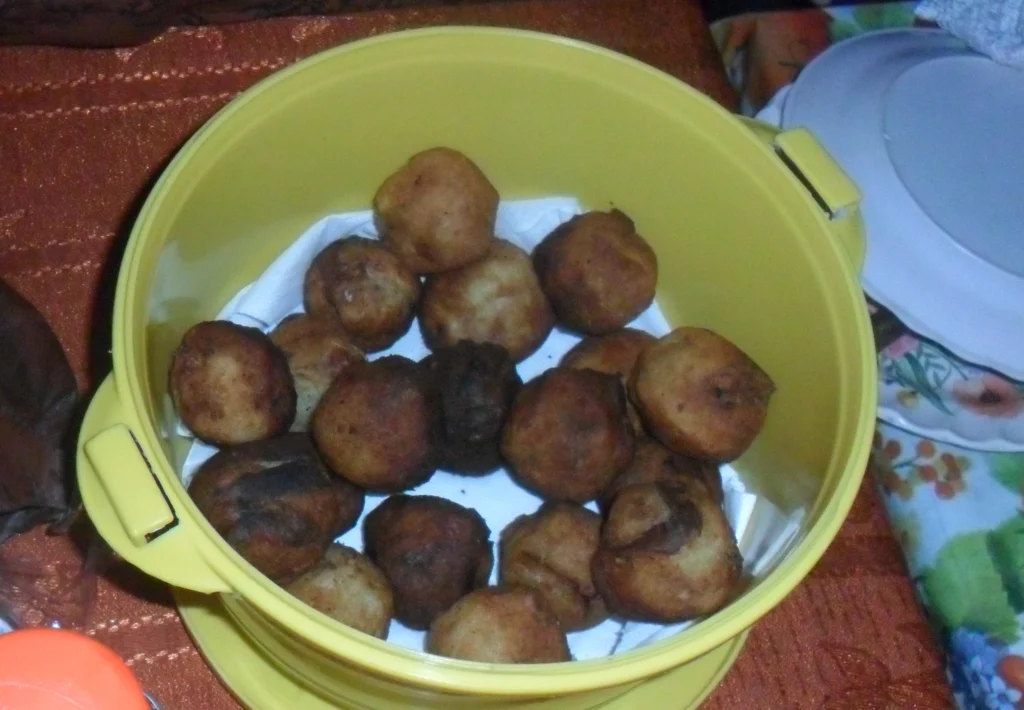
- Makuni or berhai, a sattu-stuffed wheat bread that is fried.
- Gojha, pangojha or bhakosa, dal-stuffed breads, steamed or fried.
- Dalpuri, deep-fried bread stuffed with lentils.
- Dhuska, fried bread of fermented rice and lentil batter, eaten with aloo ghugni.
- Duhathi or panhathi, a soft, thin, double-layered roti.
- Pua, sweet pancakes made in the monsoon or on religious occasions.
Rice dishes
Rice is eaten almost every day with dal and curries, and on special occasions it is cooked in many ways. Wikipedia describes noon jaauri, rice cooked with salt, spices, vegetables and dal badis; meeth jaauri, rice cooked with jaggery or sugar and dry fruit; dahi jaauri, rice mixed with curd; doodh jaauri, rice cooked in milk with ghee and sugar; and khichdi, eaten as convalescent food and on Makar Sankranti, with a lemony variant called khatua. Polao with kadahi gos (mutton curry) makes a festive meal called polao gos.
Pulses and vegetables
Arhar dal is the most common lentil, often flavoured with dry mango, panch phoron and jaggery. Dal pitthi, small wheat dumplings cooked in dal, is a complete meal. Advari, sun-dried dumplings of fermented urad dal, and phulvara, urad-flour fritters, add texture to vegetables and rice. Nimona, a spicy curry of minced peas or beans, is a winter favourite. Vegetables are cooked as dry bhujia, as rasiya (with gravy), as stuffed bhariya or as charred and mashed chokha. Special dishes include panchphodan kohda, pumpkin cooked with panch phoron for Chhath, baigan adauri and nenua chana.
Curd and greens
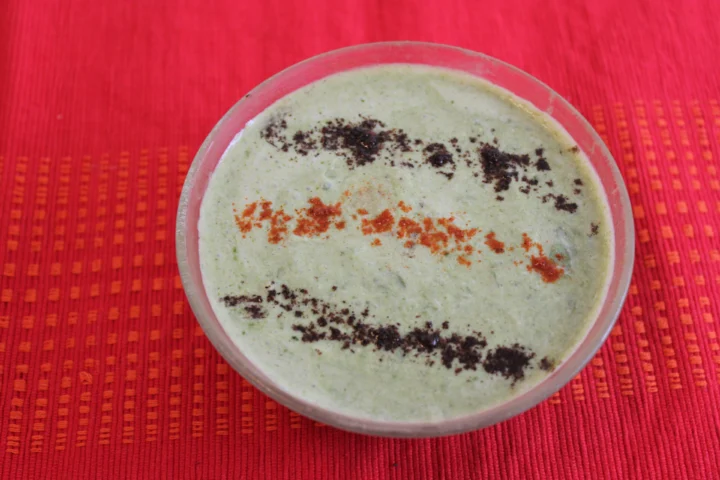
Curd is essential: kadhi badi, dahi chura on Makar Sankranti, dahi phulvari (dahi bada) for weddings, and raita of gourd, cucumber, onion or bathua. Leafy greens, saag, are cooked from chana, bathua, methi, palak, mustard, pea leaves, karmi and noni, and girvanchh, arbi leaves coated in gram flour and fried, are a monsoon speciality. See our stories on kadhi badi and saag and seasonal vegetables.
Meat and fish
Wikipedia notes that non-vegetarian dishes have been eaten in the region since ancient times and are seen as delicacies, and that it has long been a custom to serve guests a non-vegetarian dish at least once during their stay. Mutton is regarded as superior to poultry and fish, though freshwater fish and small prawns are widely eaten. Popular dishes include pulao gosht, Champaran meat, machhari bhaat and ghongha (snails).
A calendar of festival food
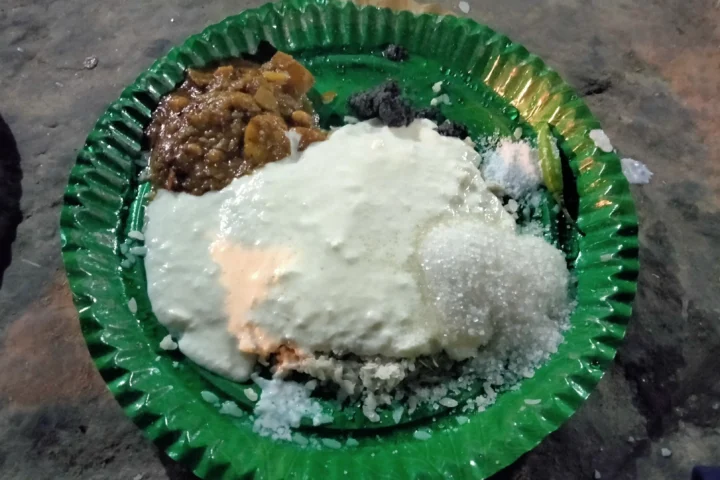
Bhojpuri festivals each have their food. On Makar Sankranti (Sakraat), people eat til laddoos, tilkut and lai in the morning, chura-dahi-gud at lunch and khichdi in the evening. On Sattuani, a thali of cooling foods includes sattu panna, aam ka tikora and alsi chutney. At Holi, families cook mutton korma with pua and grill bihari seekh kebab. Ramnavami brings kheer, puri, dal-puri and gulgula; Hartalika Teej brings perukia; Godhan brings pitha; Diwali brings gujia, anarsa and laddoo; and Chhath brings thekua, kasar and rasiyao.
The Bhojpuri diaspora
Between the 1830s and 1917, labourers from the Bhojpuri region were taken as indentured workers to Mauritius, Fiji, Guyana, Trinidad and Tobago, Suriname and South Africa. They took their food with them, and dishes such as dal puri, chokha and roti survive, transformed, in the kitchens of the Caribbean and the Indian Ocean.
Conclusion
Bhojpuri food is the taste of western Bihar: mild spices, mustard oil, sattu, wheat breads and rice dishes, with a festival calendar full of special foods. It is the cuisine of farmers and of a far-flung diaspora, and it rewards anyone curious enough to look beyond litti chokha. For other regions, read about the food of Magadh and Champaran’s ahuna mutton.