Bhaat, Dal and Chokha: The Simplicity of a Bihari Meal
Rice, thin golden dal, smoky mashed chokha, bhujia and pickle. The everyday Bihari meal, its staples, seasons and techniques.
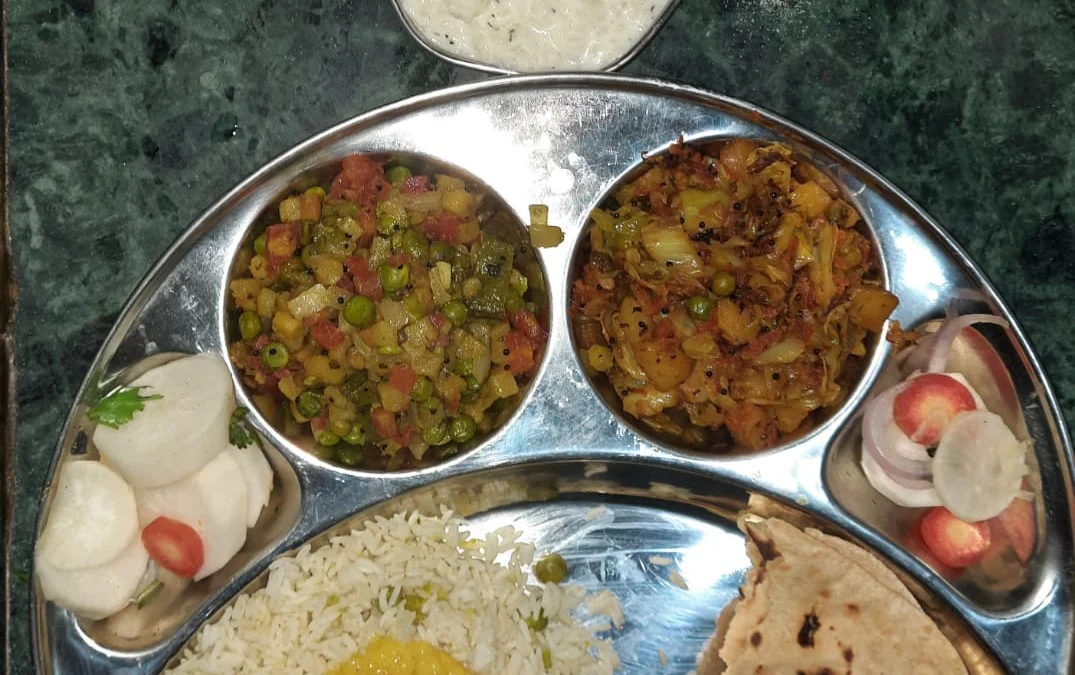
Visitors to Bihar often come looking for litti chokha or Champaran mutton. But on most days, in most homes, Biharis eat something far simpler: a plate of steaming bhaat (rice), a bowl of thin, golden dal, a spoonful of chokha, perhaps a vegetable bhujia, a dab of pickle and a few drops of ghee. Bhaat, dal and chokha is the everyday meal of Bihar, and its simplicity is the point. It is food built on the state’s staples, its seasons and a few essential flavours.
The constants of the Bihari plate
Wikipedia’s survey of Bihari cuisine notes that the Bihari thali changes with the seasons, every three or four months, but that some things stay constant: rice, roti, achar (pickle), chutney, dals and milk products. In the Bhojpuri region, according to Wikipedia’s account of Bhojpuri cuisine, lunch is typically rice-based: dal, a vegetable or meat dish, chokha, chutney, bhujia and pickles. In Mithila, the staple meal is bhat, dal, roti, tarkari (vegetables) and achar, cooked in mustard oil.
Bhaat: rice at the centre
Rice is the heart of the meal in much of Bihar, especially in the north and east. Bihar grows many local varieties, two of which now have Geographical Indication (GI) status. Katarni rice, an aromatic rice of the Gangetic plain in Bhagalpur, Banka and Munger, received a GI tag in 2018, according to Bihar Bhawan. Marcha rice, an aromatic short-grain rice from West Champaran, received a GI tag in 2023. Most families, however, eat ordinary local or market rice every day, boiled and drained or absorbed.
Dal: the everyday lentil
Arhar dal (pigeon pea) is the most commonly cooked lentil in the Bhojpuri region and much of Bihar, according to Wikipedia, which notes that it is often flavoured with dry mango, panch phoron and jaggery. A typical Bihari dal is thin and pourable, cooked with turmeric and salt and finished with a tempering of ghee or mustard oil with cumin, garlic, dried red chilli or panch phoron. Other dals, chana, moong, masoor and urad, appear according to taste and season. Some homes add raw mango in summer for a sour note.
Chokha: the Bihari mash
Chokha is what gives the plate its Bihari identity. Vegetables, typically brinjal, potato and tomato, are boiled, roasted or charred over a flame, then mashed by hand with raw mustard oil, chopped onion, garlic, green chilli, coriander and salt. Wikipedia notes the Bihari tradition of using smoked red chilli to give chokha a strong aroma. Aloo chokha (potato), baingan chokha (brinjal) and tamatar chokha (tomato) are the most common, and many cooks mix two or three. The Government of Bihar describes chokha as mashed boiled vegetables, usually potatoes, brinjal or tomatoes.
The supporting cast
- Bhujia: stir-fried vegetables, cooked dry with spices. Potato bhujia cut into fingers is a classic; so are okra, bitter gourd and pointed gourd.
- Chutney: Wikipedia describes coriander chutney, with green chilli, garlic, lemon and mustard oil, as the most traditional chutney of the Bhojpuri region.
- Achar: homemade pickles of mango, lemon, chilli or other seasonal produce. See our story on Bihari achar.
- Papad, ghee and curd: small additions that turn a plain meal into a satisfying one.
How the meal changes with the seasons
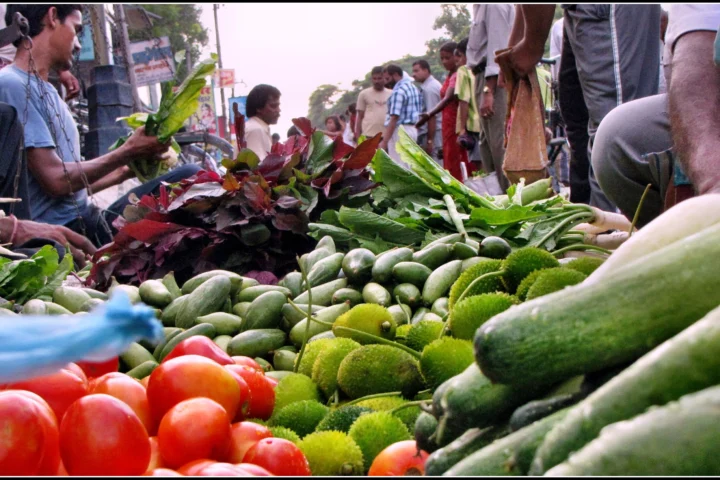
The everyday plate follows the year. In summer, it may include raw mango in the dal, curd and cooling dishes. In the monsoon, leafy greens and gourds appear. In winter, there are greens such as bathua and mustard, fresh peas and cauliflower, and khichdi becomes common. Bihar Tourism notes that khichdi, made with rice, dal, spices, ghee and winter vegetables, is a Saturday lunch tradition in some households, eaten with aloo chokha, chutney, pakoda, pickle and papad. Read more about the greens of the season in our story on saag and seasonal vegetables.
Cooking techniques that define it
Several techniques make Bihari home food distinctive. Wikipedia notes the use of mustard oil and panch phoron, a mix of five spices, for tempering (chhaunkna), and a lot of light frying (bhoonjna) rather than heavy gravies. Turmeric is added to almost every dish, while garam masala is used sparingly. Many vegetables are steamed or cooked in their own juices with a simple tempering. The result is food that is light, everyday and easy to digest.
Cultural significance
For many Biharis, bhaat-dal-chokha is the taste of home, more than any festival dish. It is the meal of village families, students in hostels, migrants in distant cities and office workers alike. It also embodies a way of eating that values local produce, seasonal cooking and little waste. A good meal, in this tradition, does not need many ingredients; it needs the right ones.
Modern popularity
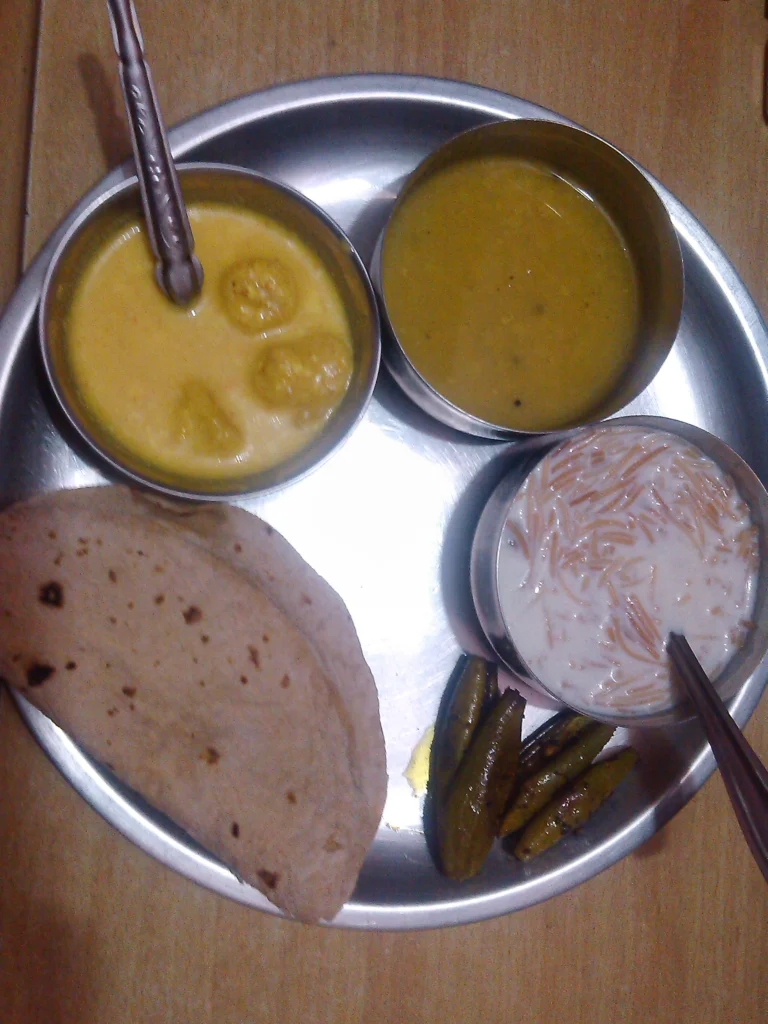
The everyday Bihari meal is now served in thali restaurants in Patna and in Bihari eateries in cities such as Delhi, Mumbai and Bengaluru, often alongside litti chokha and kadhi badi. Food writers and creators from Bihar have also celebrated it online, and the humble chokha has become a favourite of home cooks across India.
Conclusion
Bhaat, dal and chokha will never be the most photographed dish in Bihar. But it is the one most Biharis eat most often, and the one they miss most when they are away. Its strength is its simplicity. For more of Bihar’s everyday food, read about kadhi badi and chana ghugni.