Malpua: A Festive Delight from Bihar
Golden pancakes of flour, milk and sugar fried in ghee, and the Holi tradition of eating them with mutton curry. Bihar’s many malpuas.
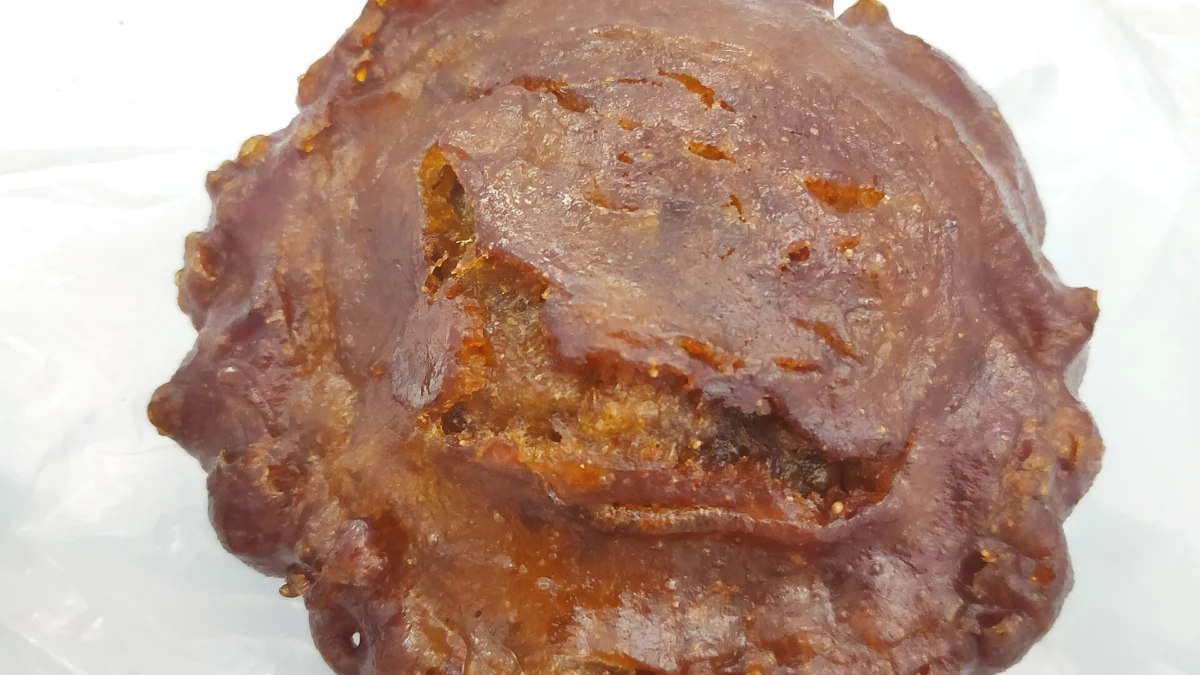
On the morning of Holi, before the colours begin, many Bihari kitchens are already busy with a sweet that will be eaten all day: malpua. These small, golden pancakes of flour, milk and sugar, fried in ghee until their edges turn lacy and crisp, are Holi’s signature sweet in Bihar. In some homes they are soaked in syrup; in others the sweetness is in the batter itself. And in many Bhojpuri households, they are eaten in a pairing that surprises outsiders: with spicy mutton curry.
What malpua is
Malpua is a fried, sweet pancake made across the Indian subcontinent, from Odisha and Bengal to Bihar, Uttar Pradesh and Nepal. The Government of Bihar calls it a speciality of the state and describes a version made from maida, milk, banana, coconut, cashews, raisins, sugar, cardamom and water, fried in ghee. India’s tourism ministry describes malpua as fried pancakes soaked in sugar syrup, flavoured with cardamom and fennel, crisp at the edges and soft in the centre, often served with rabri.
An ancient sweet
Malpua is often described as one of India’s oldest sweets. Wikipedia notes that a sweet cake of barley flour, fried in ghee or boiled in water and then dipped in honey, is described as part of the food of the Vedic period, and that malpua is thought to preserve both the name and the essentials of that preparation. The exact line of descent cannot be proven, but the idea of a fried, sweetened batter cake is clearly very old.
The Bihari way
Bihar has more than one style of malpua.
- Syrup-soaked malpua: Common in towns and sweet shops, the pancakes are fried and dipped in sugar syrup. The travel magazine Outlook Traveller describes Patna’s malpua as made from flour, milk, khoya and sugar, fried in ghee and soaked in syrup.
- Sweet-batter malpua: Wikipedia notes that the Bihari version often has sugar added to the batter before frying. In Mithila, according to Wikipedia’s account of Maithil cuisine, the batter itself is sweetened and the malpua is a dry preparation that can be stored for two or three days, unlike the syrup-soaked malpua of north India.
- Fruit and nut malpua: Many Bihari recipes add mashed ripe banana, grated coconut, fennel, cardamom, cashews and raisins to the batter.
Malpua and mutton: a Holi tradition
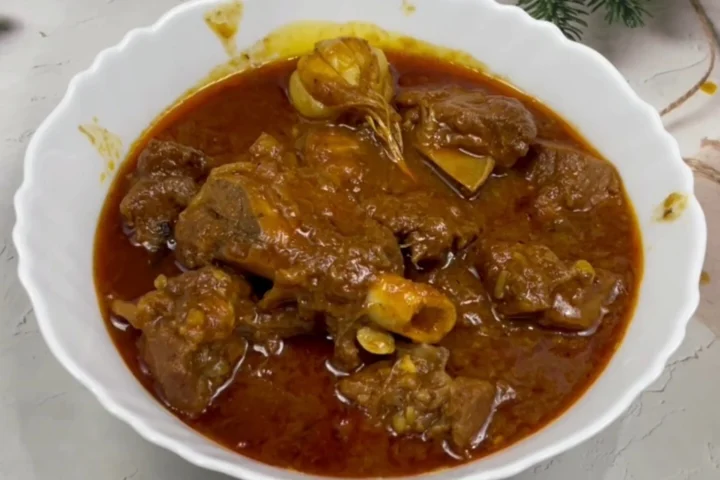
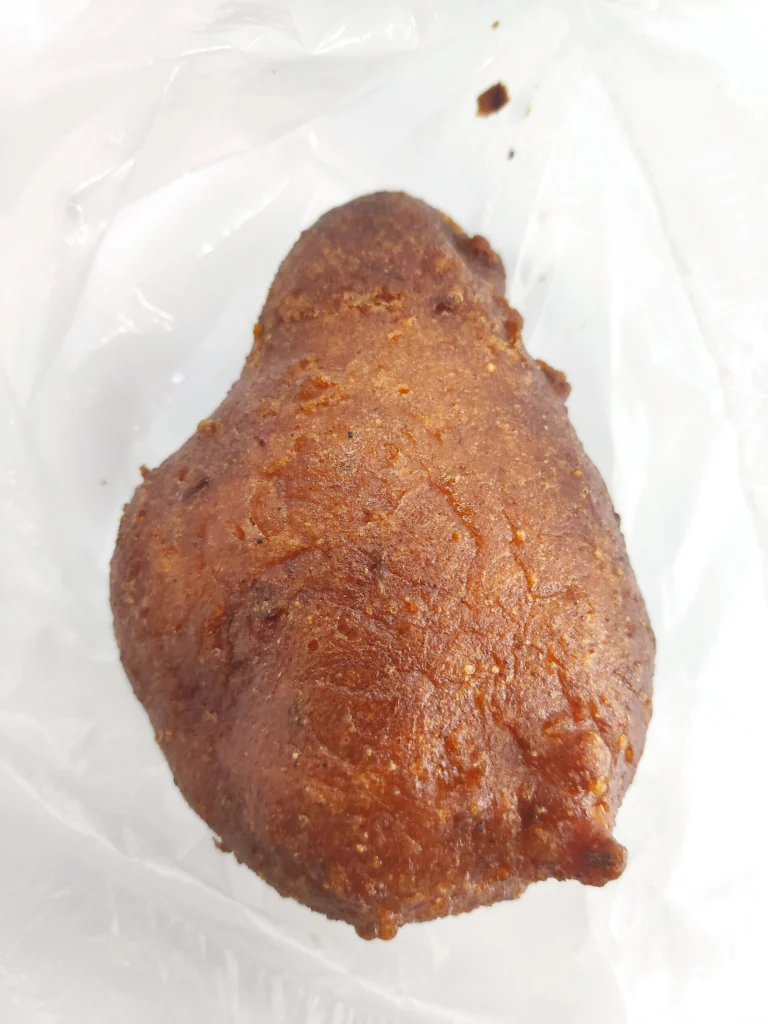
One of the most distinctive features of Bihari Holi is the pairing of sweet malpua with savoury meat. Wikipedia’s account of Bhojpuri cuisine describes Holi in large families: a goat is bought before the festival and cooked as korma, which is eaten with pua, a deep-fried sweet batter. Outlook Traveller also notes that malpua in Patna is often eaten with mutton curry. In Mithila, Wikipedia records that maus, a spicy meat curry, is generally eaten with malpua, sohari or rice. The combination of sweet, rich pancakes and spicy curry is, for many Biharis, the taste of Holi.
How malpua is made
A simple home method: flour is mixed with milk (or milk and khoya), sugar, a little semolina and sometimes mashed banana, fennel and cardamom, and whisked into a thick batter that is left to rest for a few hours. Ladlefuls are poured into hot ghee or oil, where the batter spreads into a round pancake with crisp, bubbling edges. The malpua is turned once and lifted out when golden. It is then either soaked briefly in warm syrup or served as it is, depending on the style.
Regional variations across India
Malpua takes many forms. In Odisha, malpua (amalu) is part of the offerings at the Jagannath Temple in Puri and is dipped in syrup after frying. In Bengal, it may be made with thickened milk or coconut. In Nepal’s Kathmandu Valley, a version called marpa is made with banana, fennel and pepper. Across India and Pakistan, Muslim families prepare malpua during Ramadan, often with khoya. In Bihar’s sweet shops, malpua is frequently served with rabri, thickened sweetened milk.
Where to eat it
Malpua is sold at sweet shops across Bihar, especially around Holi. In Patna, Outlook Traveller has recommended Mohan Sweets and Veg Corner near Loyola School and Kanha Sweets in Kankarbagh. At home, it is made fresh on the morning of Holi and shared with neighbours and visitors.
Cultural significance
Malpua is a festival food that brings families together. Making it is often a shared job, with one person whisking batter and another frying, and plates of malpua are carried to neighbours’ homes on Holi. Its pairing with mutton curry reflects the Bhojpuri tradition, described by Wikipedia, of serving meat to guests as a mark of hospitality on special days.
Modern popularity
Malpua is now available year-round in many sweet shops and restaurants in Bihar, and versions with rabri or ice cream appear on dessert menus elsewhere in India. But for many Biharis, it still belongs most of all to Holi morning, eaten hot from the pan.
Conclusion
Malpua is Bihar’s festive pancake: simple, rich and endlessly varied. Whether it is soaked in syrup, sweetened in the batter or eaten with mutton curry, it carries the joy of Holi. For more of Bihar’s sweets, read about anarsa, thekua and our overview of malpua, anarsa and tilkut.