Bihar’s Samosa and Chaat Culture
Singhara with tamarind chutney, batata puri, ghugni chaat and golgappe. How Bihar made the samosa and chaat its own.
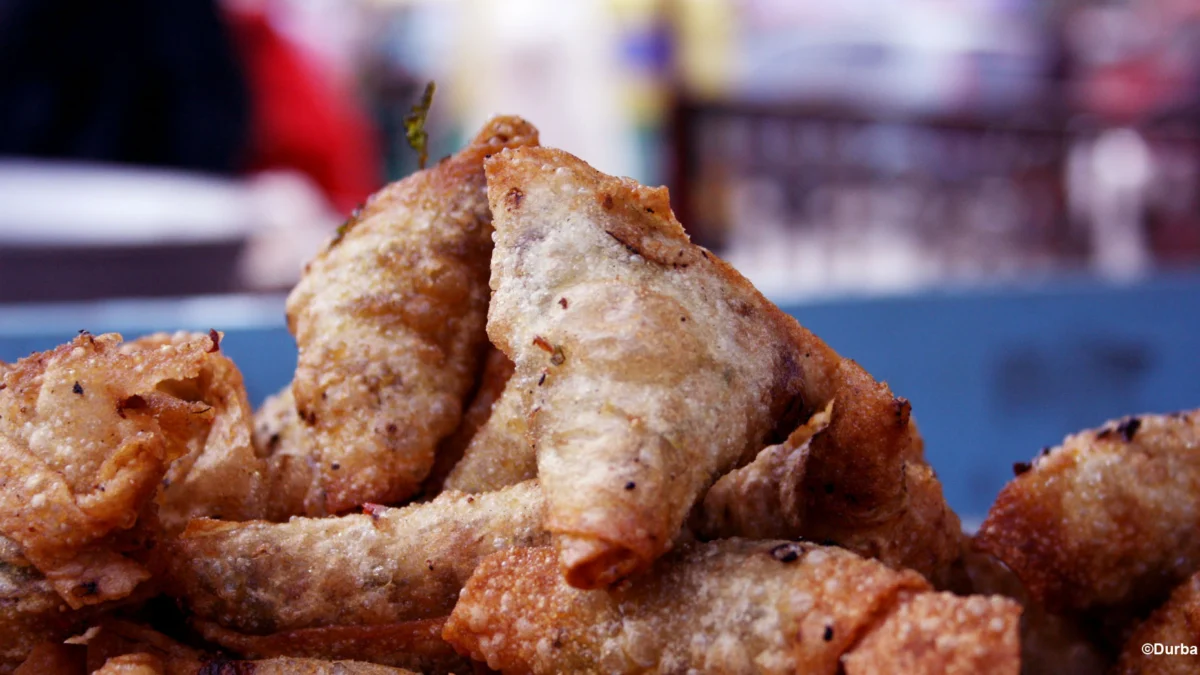
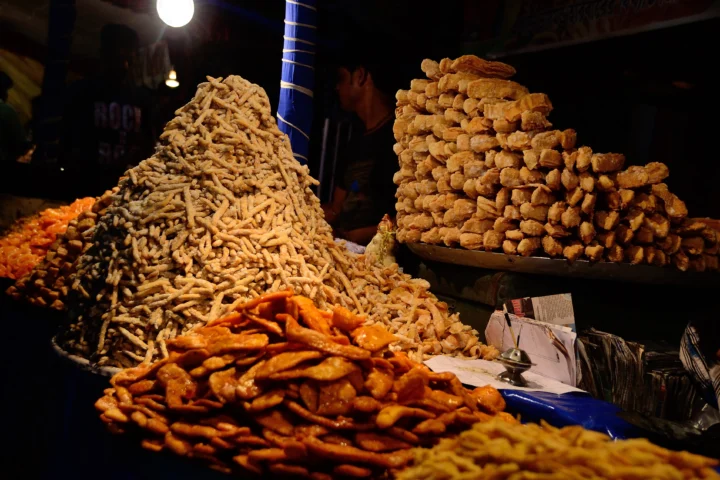
Every Bihari town has its evening ritual. As the light fades, people gather around carts and small shops for something hot, crisp and spicy: a paper plate of samosas, known across much of Bihar as singhara, broken open and smothered in chutney; a leaf bowl of chaat, tangy with tamarind and crunchy with sev; or a round of golgappe, each one filled and handed over in quick succession. Samosa and chaat are not uniquely Bihari, but Bihar has made them its own.
The samosa, or singhara
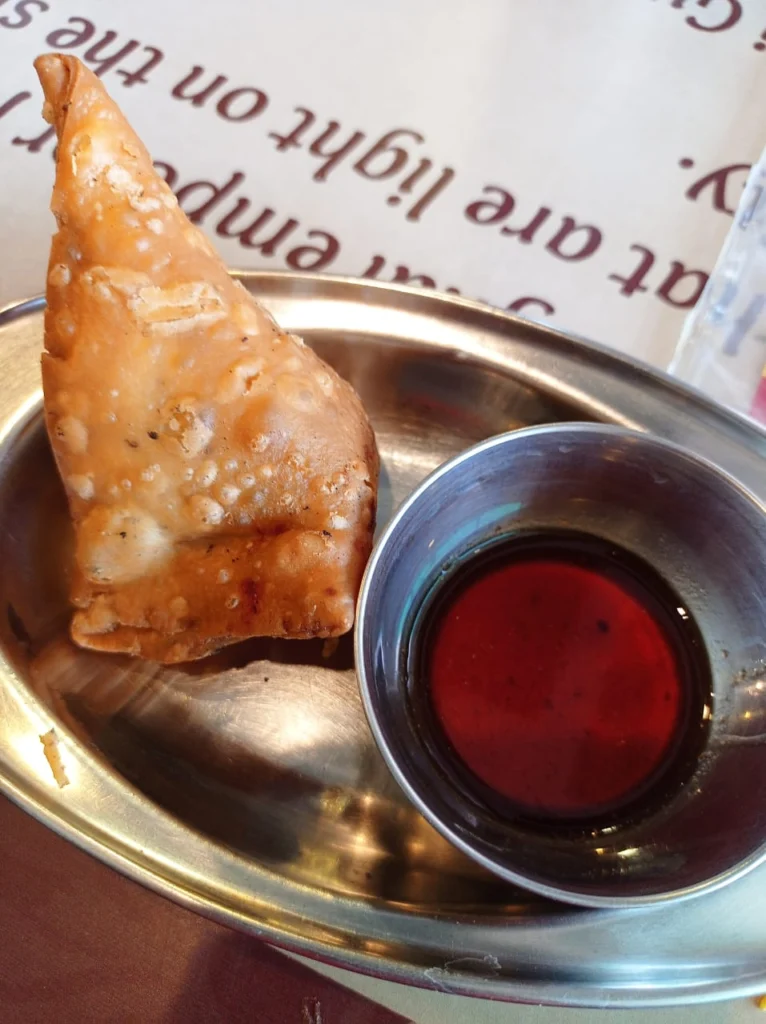
In Bihar, the samosa is often called singhara, after its shape, which resembles the water chestnut of the same name. Wikipedia’s accounts of Bihari and Maithil cuisine both list singhara (samosa) among the region’s favourite snacks. It is a triangular pastry, usually filled with spiced potato and peas and fried until crisp, and in Bihar it is typically eaten with a sweet and sour tamarind chutney, a green chutney or a ladle of chana or ghugni.
A traveller from Central Asia
The samosa has a long history. According to Wikipedia, the samosa is descended from a medieval pastry of the Middle East and Central Asia known by names such as sanbusak and sanbosag. Recipes appear in Arabic cookery books from the 10th century, and the Persian historian Abu’l-Fadl Bayhaqi mentioned it in the 11th century. It reached the Indian subcontinent in the 13th or 14th century with cooks from the Middle East and Central Asia who worked in the royal kitchens of the Delhi Sultanate; around 1300 the poet Amir Khusrau wrote of nobles enjoying samosas of meat, ghee and onion. Over time Indian cooks gave it new fillings, above all potato, which reached India only after the 16th century. In Bihar, as elsewhere in north India, the samosa became a staple of the tea stall and the sweet shop.
Bihar’s chaat family
Wikipedia’s survey of Bihari cuisine lists a wide range of appetisers and snacks in the state, among them:
- Chaat: a mix of peas, potatoes and crisp pieces with chutneys, onion and spices.
- Puchka, ghup chup or pani puri: hollow crisp puris filled with spiced water, potato and chickpeas.
- Singhada chaat: samosa topped with sweet chutney, curd, savoury mixtures with chura, onion and other garnishes.
- Papdi chaat: described as common in every home.
- Dahi bada: lentil fritters soaked in spiced curd.
- Jhal murhi: spicy puffed rice with mustard oil, onion and chilli.
- Pakora and kachori: fritters and stuffed fried breads.
Wikipedia’s account of Bhojpuri cuisine adds dahi phulki, miniature crisp puris soaked in flavoured yoghurt and stuffed with mashed potato or chickpeas.
Patna’s chaat specialities
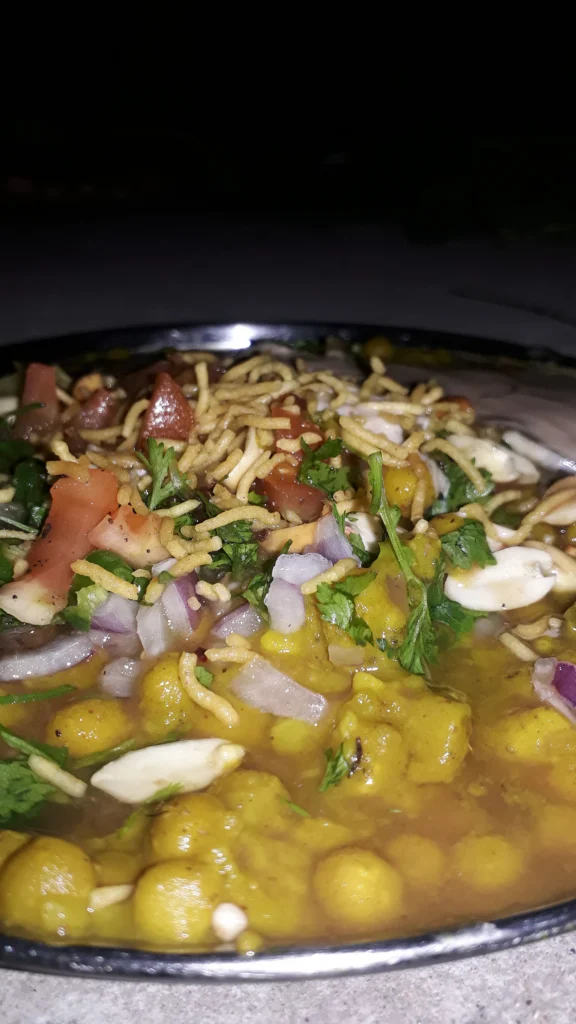
Patna has a lively chaat scene. The travel magazine Outlook Traveller singles out batata puri, crisp semolina shells filled with spiced potato and yoghurt and topped with pomegranate seeds, chutneys, onion and sev, recommending Lovely Chaat Corner in Rajendra Nagar and Patna Batata Puri in Kankarbagh. Ghugni chaat, cooked black chickpeas topped with onion, tomato, chutney and crunchy bits, is another evening favourite across eastern India, including Bihar.
What makes Bihari chaat different
Bihari chaat shares much with chaat across north India, but there are local touches. Ghugni and chana are often the base, rather than chole. Mustard oil appears in jhal murhi and some chutneys. Chura or murhi (puffed rice) may be added for crunch. And the heat level is often high, with fresh green chilli and raw onion on top.
Samosa and chaat in daily life
In Bihar, samosas are eaten at any time of day: with morning tea, as an evening snack, at railway stations and when guests arrive. Sweet shops often sell samosas alongside jalebi and laddoo, and offices order them in bulk for meetings. Chaat is more of an evening outing, eaten with friends or family at a favourite stall. During festivals and weddings, chaat counters have become a standard part of the menu.
Regional variations within Bihar
In Mithila, Wikipedia lists samosa (singhara), jhilli (a salted jalebi-like snack of gram flour), kachari and pyaaji (onion fritters) among popular snacks. In the Bhojpuri region, dahi phulki and dahi bada are favourites. In Patna, batata puri and golgappe draw crowds. Samosa fillings also vary: potato and peas are standard, but some shops make samosas with cauliflower, dal or minced meat.
Modern popularity
Samosa and chaat remain among the most popular street foods in Bihar, and new versions keep appearing: paneer samosas, chocolate samosas, fusion chaats and chaat counters in malls. Yet the classic singhara with tamarind chutney and the plate of ghugni chaat remain the favourites.
Tips for visitors
- Ask for samosa with chana or ghugni, a popular Bihari way of eating it.
- Choose busy stalls where food is fried fresh.
- Pani puri water can be very spicy; ask for less if needed.
Conclusion
Samosa and chaat may have travelled to Bihar from far away, but in the state’s towns and cities they have become part of everyday life, the snacks of evenings, friendships and celebrations. For more of Bihar’s street food, see our guide to the street food of Patna and our story on kachori, sabzi and jalebi.