The Culture of a Bihari Village: Traditions That Still Live
Courtyards, ponds, fields and festivals. What life in a Bihari village is like, the traditions it keeps and how it is changing.
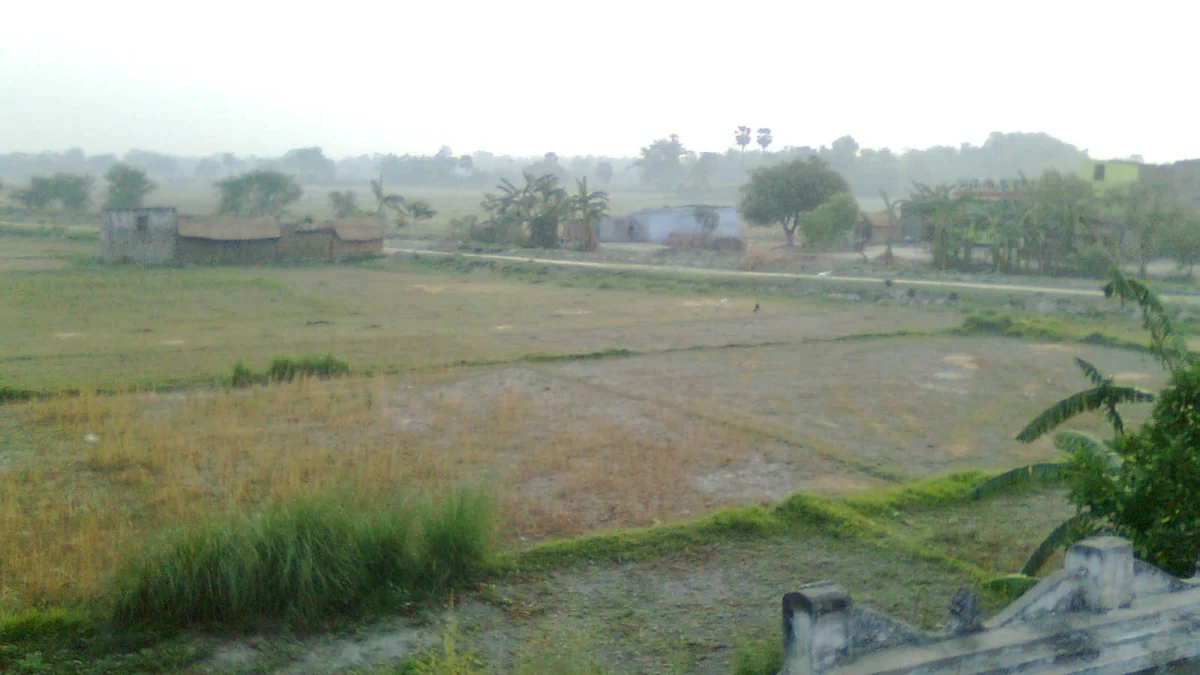
To understand Bihar, you have to go to its villages. Most Biharis still live in them. In the 2011 Census, only 11.3 percent of Bihar’s population lived in towns and cities, against a national figure of 31.2 percent, which means that nearly nine in ten people in the state lived in rural areas. Even many Biharis who live in Patna, Delhi or Mumbai still speak of their village as home. Its fields, ponds, courtyards and festivals shape the culture of the whole state.
The shape of a village
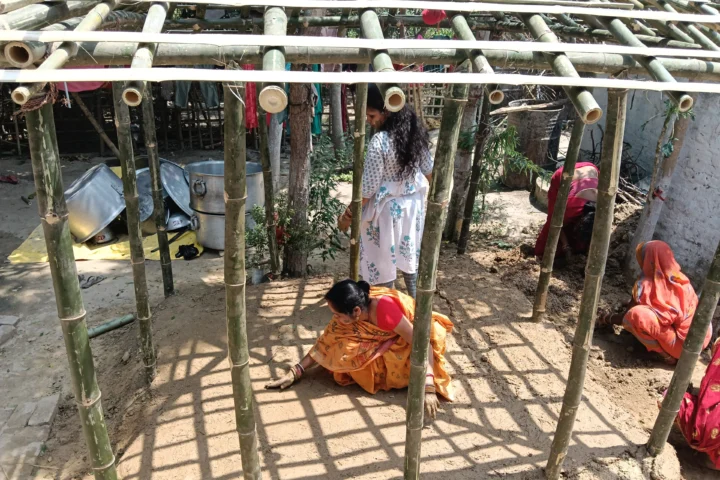
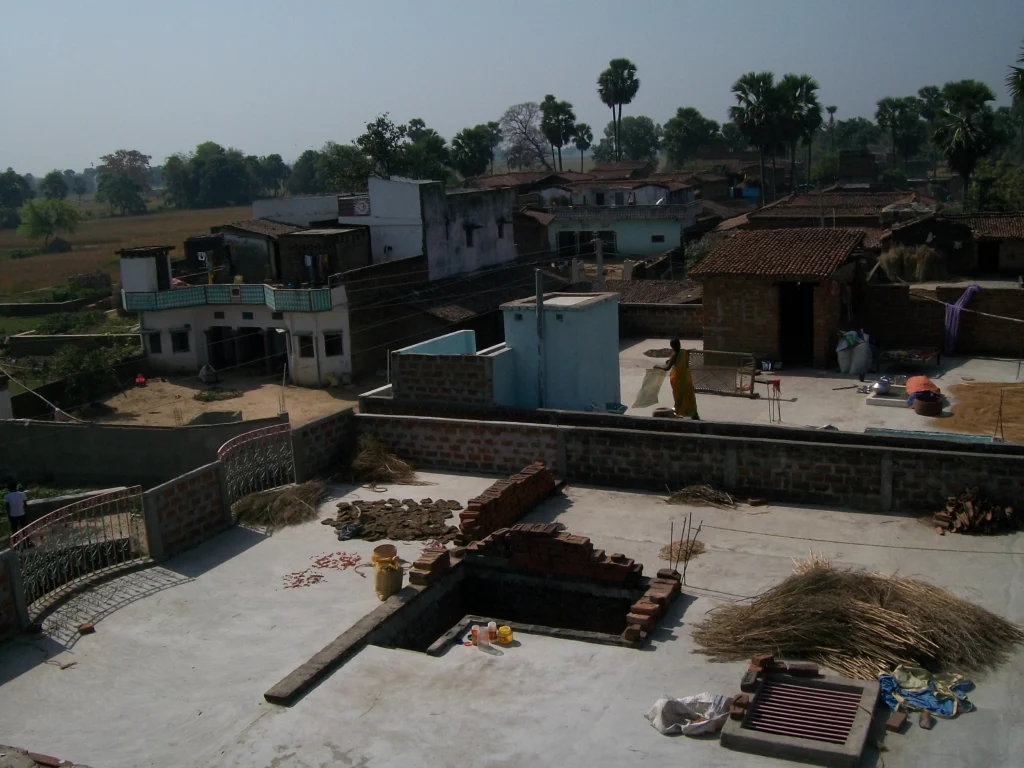
A typical village on the Gangetic plain of Bihar is built around fields of paddy, wheat, maize and pulses, with groves of mango trees, bamboo clumps and at least one pond. Houses are grouped in neighbourhoods called tola, often by community. Traditional homes are built around an aangan, an open courtyard where much of family life takes place: cooking, drying grain, children’s games, rituals and, at weddings, the songs and ceremonies. Older houses were built of mud and thatch; today brick and concrete houses are increasingly common, though many still keep straw and fodder stacked on their roofs, as in the photograph below.
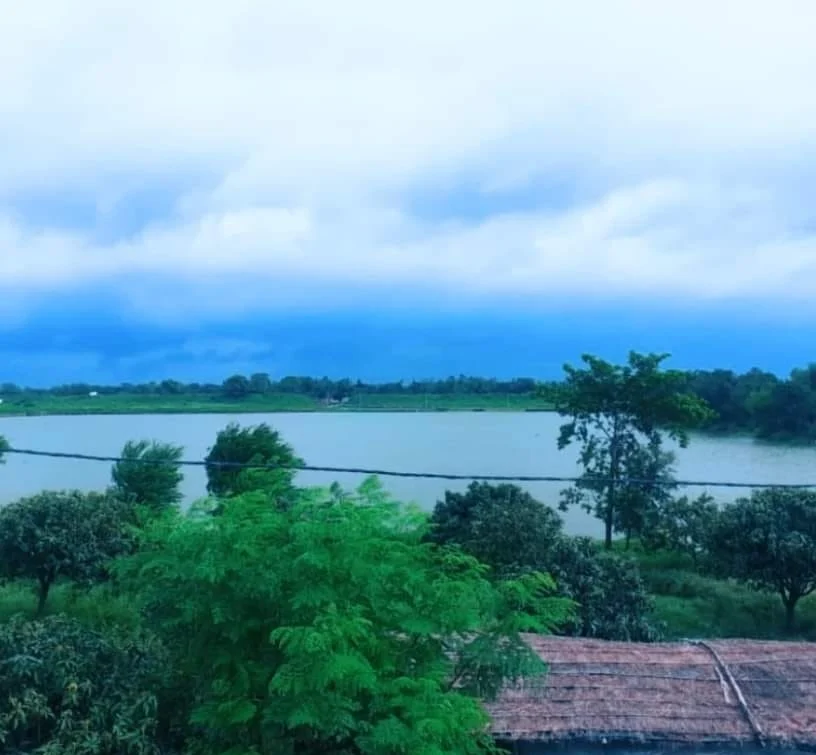
Outside the home, the dalan or chaupal, a covered sitting area, has long been a place where men meet to talk, settle disputes and receive guests. The pond, called pokhar in many parts of Bihar, is the centre of village life, used for bathing, washing, fishing and, above all, for Chhath, when the whole village gathers at its banks to offer prayers to the sun.
A year shaped by the fields
Village life follows the agricultural calendar. The monsoon brings paddy transplanting, when women sing ropni songs in the flooded fields. Autumn brings the harvest and a cluster of festivals: Jitiya, Durga Puja, Diwali, Chhath and, in Mithila, Sama-Chakeva. Winter brings sesame and jaggery, Makar Sankranti and the making of tilkut. Spring brings Holi, the chaiti songs and the wheat harvest.
In north Bihar, ponds are also farms. Bihar produces 80 to 90 percent of India’s makhana (fox nuts), a crop grown in pond networks across Darbhanga, Madhubani, Purnea, Katihar, Saharsa and neighbouring districts, which sustains about 10 lakh families, according to the Government of India. In Muzaffarpur, Vaishali and the Champaran districts, litchi orchards are a mainstay of the rural economy.
Food of the village
The food of rural Bihar is simple, seasonal and nourishing. A typical meal is dal, bhaat (rice), a vegetable or chokha and pickle, cooked in mustard oil. Sattu, roasted gram flour, has fed farmers and labourers for generations, eaten as a dough, a drink or the filling of litti. Winter brings dal pitha and dahi-chura (beaten rice with curd). Festivals bring sweets made at home, from thekua to malpua.
Crafts, art and song
Many of Bihar’s best-known arts were born in its villages. In Mithila, women painted the walls and floors of their homes for festivals and weddings, the tradition that became Madhubani painting. They coiled sikki grass into boxes and toys. Potters made lamps and pots, and basket-makers wove the bamboo soop used at Chhath, as described in our story on everyday crafts. Village life is also full of song: sohar for a birth, wedding songs, work songs in the fields and seasonal songs, described in our guide to the folk songs of Bihar.
Community and custom
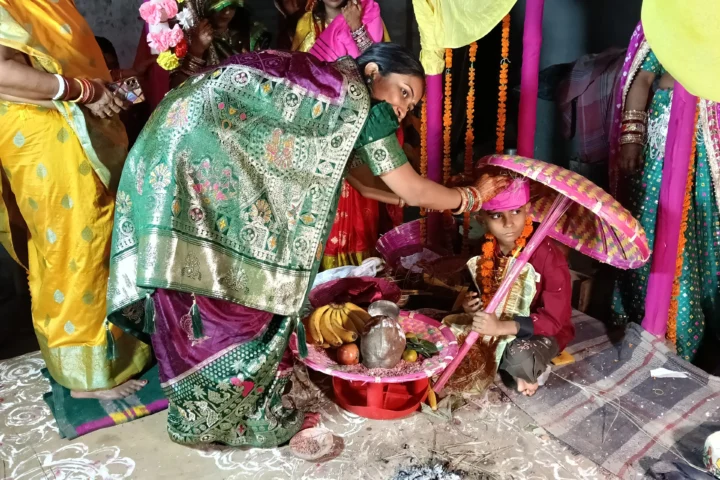
Rural Bihar has strong traditions of community life. Weddings, funerals and festivals involve the whole village, with neighbours helping to cook, build and host. Weekly markets, or haat, bring people from surrounding villages together to buy and sell. Village fairs, such as the great Sonepur Mela, combine trade, worship and entertainment.
Village society has also been shaped by caste and by inequality in land ownership, and these divisions have often been the source of hardship and conflict. Folk theatre such as Bidesia and the plays of Bhikhari Thakur gave voice to the struggles of the rural poor, and many of the changes in rural Bihar in recent decades have come from efforts to address these inequalities.
Migration and the village
For more than a century, men from Bihar’s villages have migrated for work, first to Kolkata, Assam and overseas plantations, and today to Delhi, Mumbai, Punjab, Gujarat, Bengaluru and the Gulf. Migration brings money home and connects villages to the wider world, but it also means long separations from families. That experience is at the heart of many Bhojpuri songs. Festivals such as Chhath are when many migrants return, and the trains to Bihar in the days before Chhath are famously crowded.
Women at the centre of change
Some of the most important changes in rural Bihar have involved women. The Government of Bihar reserved half the seats in its three-tier panchayats for women in the mid-2000s, and describes Bihar as the first state in the country to do so, a model that many other states later followed. Through JEEViKA, the state’s rural livelihoods programme supported by the World Bank, more than 10 lakh self-help groups with over 1.2 crore rural women members had been formed by 2020, according to the World Bank. These groups give women access to savings, credit and new livelihoods, from dairy and poultry to crafts.
Regional variations
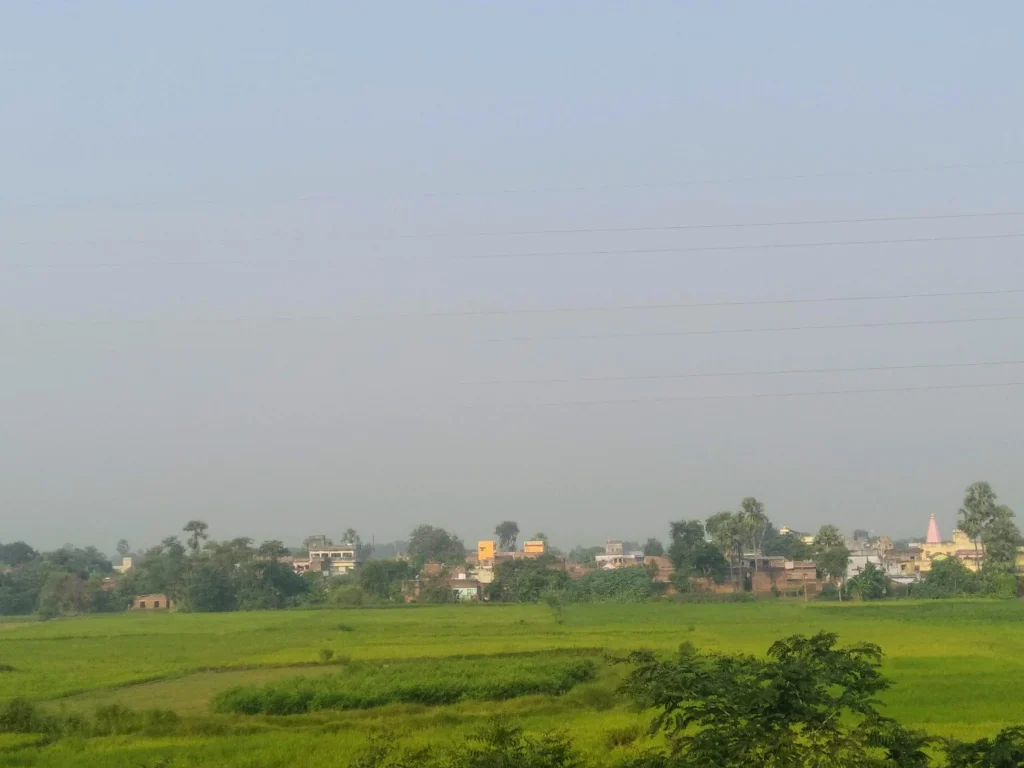
Village life is not the same everywhere in Bihar. In the flood plains of the Kosi and Gandak in the north, villages live with the annual threat of floods and depend on ponds, fish and makhana. In the Bhojpuri region of the west, the culture of naach theatre and migration songs is strong. In Magadh in the south, villages lie closer to hills and ancient sites. In the Adivasi villages of the south and east, festivals such as Sohrai and Karma, dances and languages such as Santali are part of daily life.
Facts worth knowing
- Bihar’s urbanisation rate was 11.3 percent in the 2011 Census, one of the lowest in India.
- Bihar produces 80 to 90 percent of India’s makhana, almost all of it grown in village ponds.
- Bihar reserves 50 percent of seats in panchayats for women.
- JEEViKA had formed more than 10 lakh women’s self-help groups by 2020.
How village life is changing
Bihar’s villages have changed rapidly in recent decades. Roads, electricity, mobile phones and the internet have reached most of them, and motorcycles have replaced bullock carts. More children, especially girls, go to school. Brick houses replace mud huts. At the same time, migration has left many villages with mainly women, children and older people for much of the year, and some traditions, such as all-night folk performances or communal singing, are less common than they were.
Traditions that still live
Despite all these changes, many traditions remain strong. Chhath is still celebrated at the village pond. Women still sing at weddings and draw aripan for festivals. Families still eat sattu in summer and tilkut in winter. And for millions of Biharis around the world, the village remains the place they call home.
Conclusion
The culture of a Bihari village is a culture of fields and ponds, courtyards and songs, festivals and hard work. It has given Bihar its art, its food, its music and much of its identity. To travel in Bihar without visiting a village is to miss its heart.