Jitiya: The Festival of a Mother’s Love
For a day and a night, mothers in Bihar fast without food or water for their children. The story, rituals and meaning of Jitiya, or Jivitputrika.
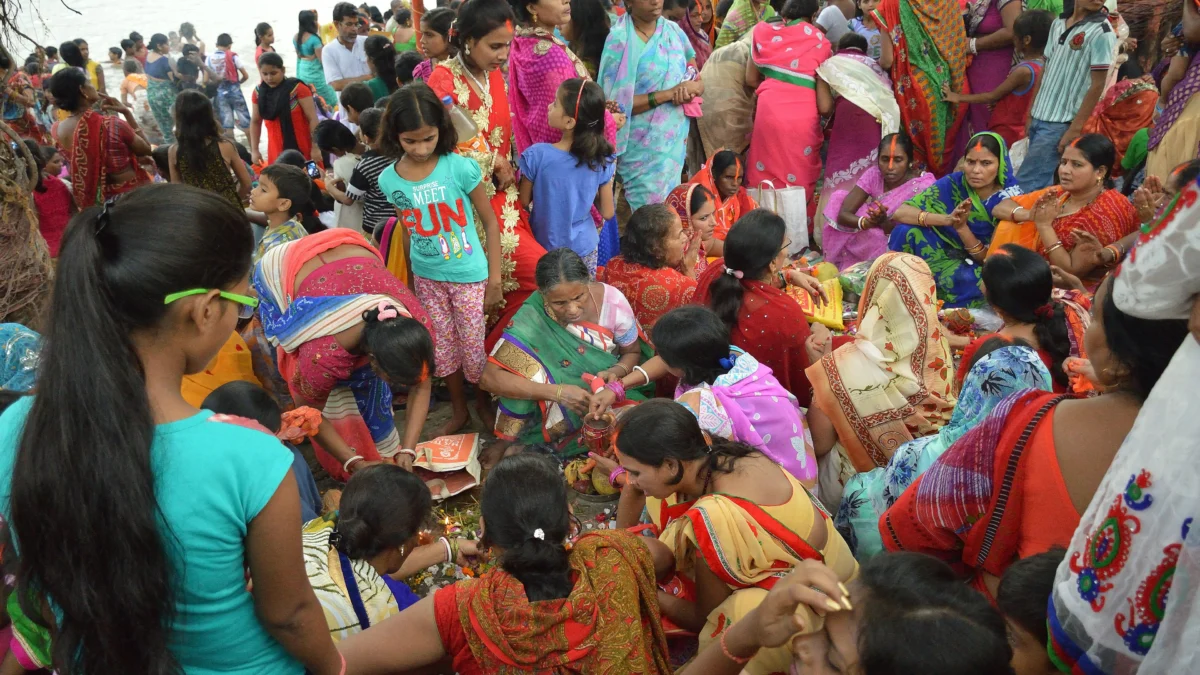
Few fasts in India are as demanding as Jitiya. For roughly a full day and night, mothers across Bihar go without food and without a single sip of water, praying for the long life and safety of their children. The festival is known by several names, Jitiya, Jiutiya and Jivitputrika, the last meaning roughly “the one whose son lives”. It is observed across Bihar, Jharkhand, eastern Uttar Pradesh and the Terai of Nepal, and for many families it is the most personal ritual of the year.
When Jitiya is observed
Jitiya follows the Hindu lunar calendar. In Bihar and Uttar Pradesh it is a three-day observance falling from the seventh to the ninth lunar day of the dark fortnight (Krishna Paksha) of the month of Ashvin, which usually lands in September or early October. The central day is Ashtami, the eighth lunar day. Because the fast is tied to the exact span of Ashtami, families and priests check the panchang, the traditional almanac, each year to know when the fast begins and when it may be broken.
The legend of Jimutvahana
The festival is dedicated to Jimutvahana, a figure of Hindu legend. The story told during the fast is as follows. Jimutvahana was a king of the Gandharvas who gave up his throne and went to live in the forest. There he met an old woman of the Naga (serpent) clan weeping, because her only son, Shankhachuda, was due to be offered as food to Garuda, the great eagle, the next day. Jimutvahana took the young man’s place on the sacrificial rock. When Garuda attacked and saw that his victim stayed calm and kind, he stopped, learned who Jimutvahana was and, moved by his compassion, promised to take no more Naga sacrifices. Mothers fast in memory of this act, asking that their own children be protected in the same way.
This is legend, not history, but it has a long literary history. A very similar story forms the plot of Nagananda (“The Joy of the Serpents”), a Sanskrit play attributed to Emperor Harsha in the 7th century CE, in which Jimutvahana offers himself to Garuda to save a Naga. The play shows how old this tale of self-sacrifice is in Indian storytelling.
In Bihar and Uttar Pradesh another story is also told during the fast, the tale of a she-jackal and a female eagle (often called cheel and siyarin), who both kept the fast but only one of whom kept it honestly. Women offer prayers in the names of the jackal and the eagle along with Jimutvahana.
The three days of the fast
Nahay-Khay. On the first day, the mother bathes and then eats a single, simple vegetarian meal, cooked in ghee and prepared with special care for purity.
Khur Jitiya, the nirjala fast. On the second day the mother keeps a strict nirjala vrat, a fast without water. She does not eat or drink from before sunrise until the Ashtami tithi ends, which can be more than 24 hours later. Women often keep an overnight vigil, listening to the vrat katha, the stories of the fast, and singing.
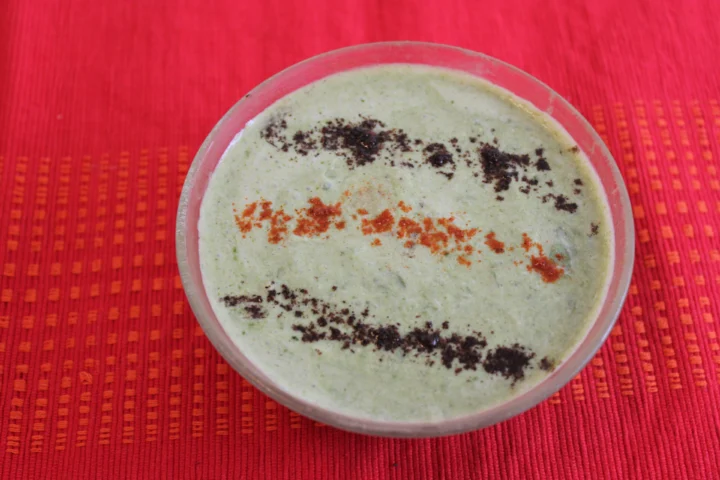
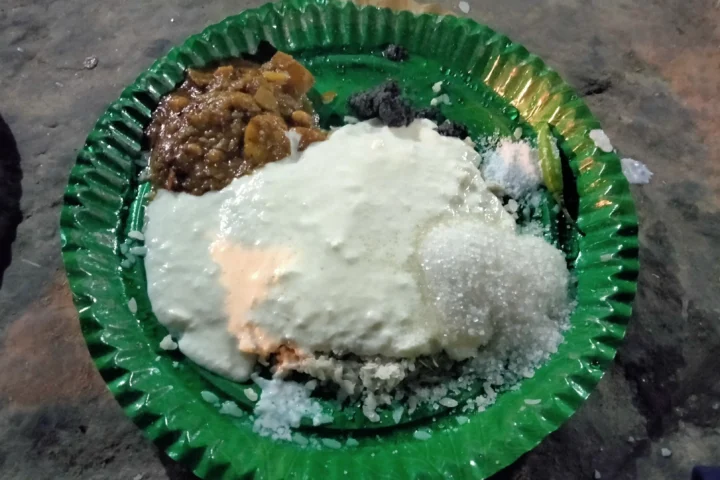
Parana. On the third day the fast is broken. In many Bihari homes this meal includes dishes such as marua (finger millet) roti, noni saag (purslane) and rice with curry, and families share food with neighbours and relatives.
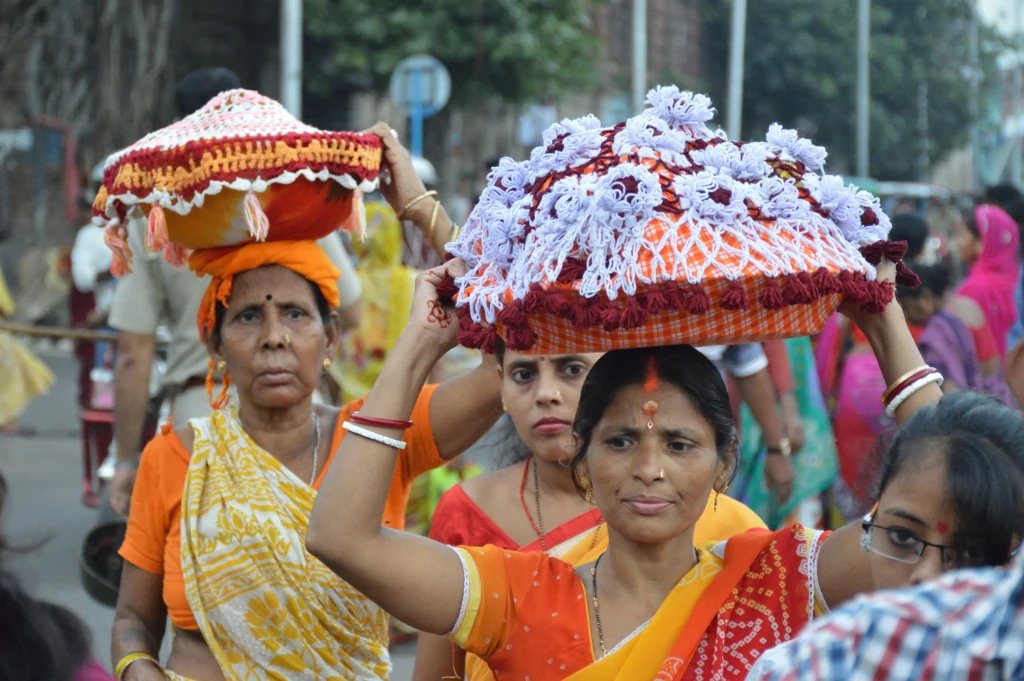
People and communities
Jitiya is kept by mothers, and the commitment is a lifelong one for many women. It is observed across caste and class lines in the Bhojpuri, Magahi and Maithili-speaking regions of Bihar, from Bhojpur and Saran in the west to Patna and Khagaria further east. Bihari families who have migrated to Kolkata, Delhi, Mumbai and elsewhere carry the fast with them, which is why some of the best photographs of Jitiya come from the riverside ghats of Howrah and Varanasi.
The fast is often passed from mother-in-law to daughter-in-law. A woman generally begins observing it after she becomes a mother, and many continue it for the rest of their lives, whatever the age of their children.
Cultural significance
Jitiya is a festival of devotion but also of endurance. A mother’s willingness to go without water for her children is treated as an expression of love that is both private and shared, since women usually keep the fast together, bathe together and listen to the stories in groups. In that sense it sits beside Chhath, another festival in which women’s fasting and discipline carry the hopes of a whole family.
The festival also reinforces a belief that is widely held in Bihar: that a child who survives an accident or illness unharmed has been protected by his or her mother’s Jitiya fast.
Regional variations
In Bihar and Uttar Pradesh Jitiya is the three-day observance described above.
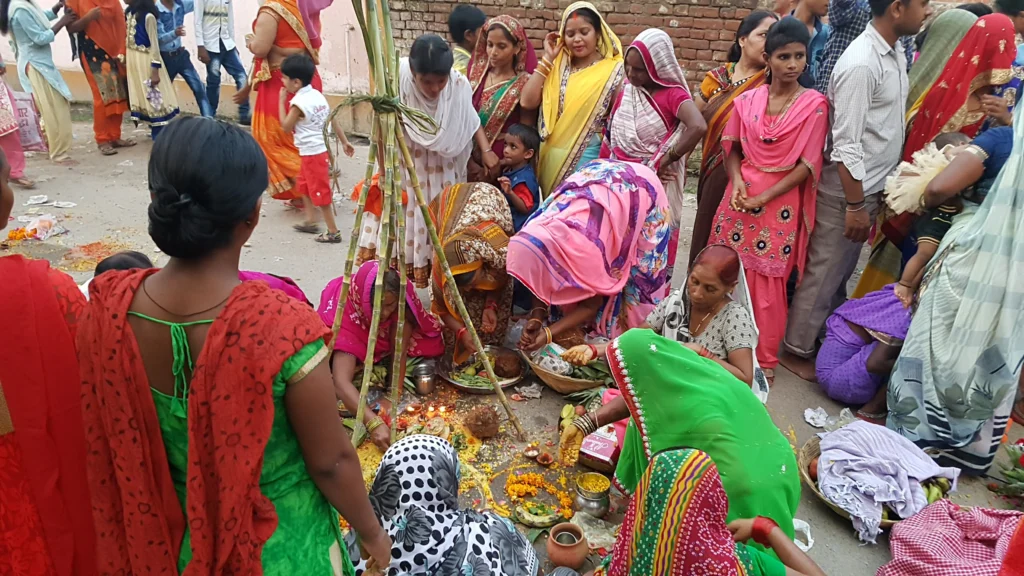
In Jharkhand the festival can run for eight days. Women collect sand from the river in bamboo baskets early in the morning, sow seeds of grains such as rice, gram and maize, and sing every evening. On the last day a branch of the Jitiya tree is planted in the courtyard or the village akhra, the dance ground, and worshipped. The night is spent singing and dancing Jhumar.
In Nepal the fast is kept by married women of the Maithil, Tharu and Bhojpuri communities. On the day before the fast it is customary in many families to eat fish and roti made of millet, and Tharu women perform a dance called Jhamta.
Facts worth knowing
- Jitiya is one of the toughest fasts in the Hindu calendar, because it is kept without water and can last more than a day, depending on when Ashtami begins and ends.
- The legend at its centre closely matches the plot of Nagananda, a 7th-century Sanskrit play attributed to King Harsha.
- In parts of Mithila and Nepal, a meal of fish and millet roti is eaten on the eve of the fast, a reminder that ritual food in this region is not always vegetarian.
How the tradition is changing
The core of Jitiya, the fast without water, has not changed. What has changed is where and how women keep it. Urban mothers who cannot reach a river bathe at home or at a nearby pond. Calendars, almanacs and newspapers now publish the exact start and end times of Ashtami, so women across cities and villages break their fast at the same moment.
Safety has become an important part of the conversation. In September 2024, 46 people, 37 of them children, drowned in 15 districts of Bihar while bathing in rivers and ponds during Jivitputrika, according to state officials quoted by news agencies. The tragedy, in a year when many rivers were in spate, led to renewed calls for safer ghats, lifeguards and warnings during festival bathing.
Jitiya in modern Bihar
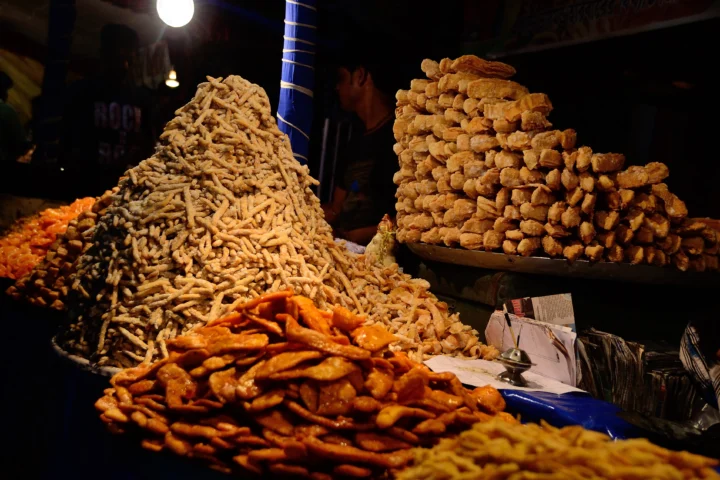
Jitiya remains one of the most widely observed fasts in the state. Markets fill a day or two before the festival with the fruits, leaves and grains needed for the rituals, and many women who live away from home still return to their families to keep the fast together. For daughters, watching their mothers keep Jitiya is often their first experience of the discipline that runs through Bihar’s festival calendar.
Conclusion
Jitiya does not have the grand public spectacle of Chhath or the crowds of the Sonepur Mela. It is quieter, kept in courtyards and at small ghats. But it may be the festival that says the most about the families of Bihar: about mothers who will go hungry and thirsty for a day and a night, year after year, for children they love. To learn more about the festival calendar of Mithila, read our story on Bihar’s lesser-known festivals.