The Traditional Wedding Songs of Bihar
Suhag, lagan, lachari and the tearful samdaun. A guide to the wedding songs women sing in Mithila and the Bhojpuri region, and what they mean.
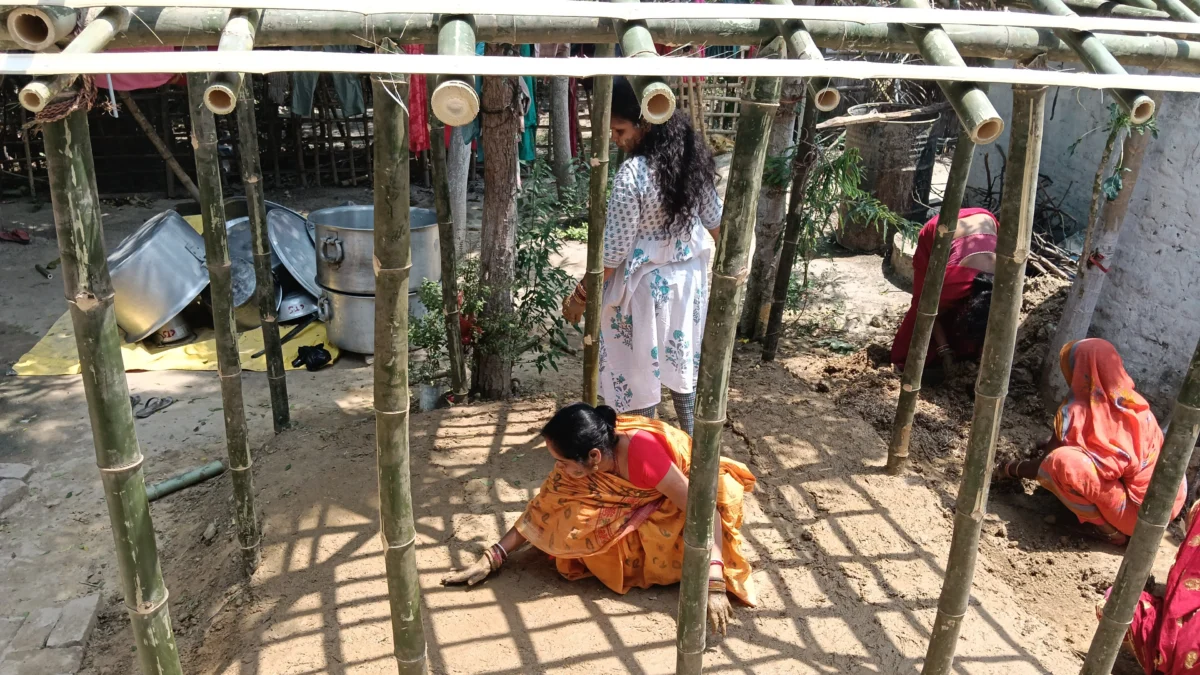
In Bihar, a wedding without songs is unthinkable. Long before the band and the loudspeakers arrive, the women of the family gather in the courtyard, often late at night, and sing. They sing as the turmeric is applied, as the groom’s party arrives, as the bride is handed over and, finally, as she leaves her parents’ home. These wedding songs, known in Hindi and Bhojpuri as vivah geet, are among the oldest and richest parts of Bihar’s oral culture, and almost all of them have been created and kept alive by women.
A tradition carried by women
Wedding songs in Bihar are sung mainly by women, usually in groups, without instruments or with only a dholak. They are learned by listening, from mothers, grandmothers, aunts and neighbours, and passed on without being written down. A 2026 study of Bhojpuri marriage songs in the journal ShodhKosh describes these songs as a form of ritualised performance embedded in the wedding, and women as the custodians of an oral tradition that preserves cultural values, community ethics and emotional experience. The same study notes that the songs also work as social commentary.
The songs are sung in the languages of the region, including Maithili, Bhojpuri, Magahi and Angika, and their names often follow the name of the ritual they accompany. There is a song for every step of the wedding, and many families have their own versions.
Songs of a Mithila wedding
Mithila has an especially elaborate repertoire. According to Wikipedia’s overview of Maithili music, the wedding day begins with the suhag song and ends with the samdaun. Among the genres sung in between are:
- Parichhan geet, sung as the women of the bride’s family welcome and question the groom when he arrives.
- Lagan, songs that describe the difficulties of preparing for a wedding, often from the point of view of the bride’s or groom’s mother, and that recall the problems faced by Ram and Sita at their own marriage.
- Athongar, sung freely without a steady beat during night-time rites, while the groom and other men pound with a rice-husking pestle, a gesture that symbolises the groom joining the household’s labour.
- Jog, related to the custom that the groom, while at the bride’s home, may not eat salted food until the fourth day.
- Kumar, the most common wedding genre, sung when the bride is handed to the groom.
- Uddasi, with a tune similar to samdaun, sung during wedding rites.
- Samdaun, the songs of the bride’s departure, sung by her family and friends as she leaves home.
Many Mithila wedding songs address the bride and groom as Sita and Ram, recalling the region’s belief that Sita was a daughter of Mithila. To read about the rituals these songs accompany, see our story on Mithila weddings.
Songs of a Bhojpuri wedding
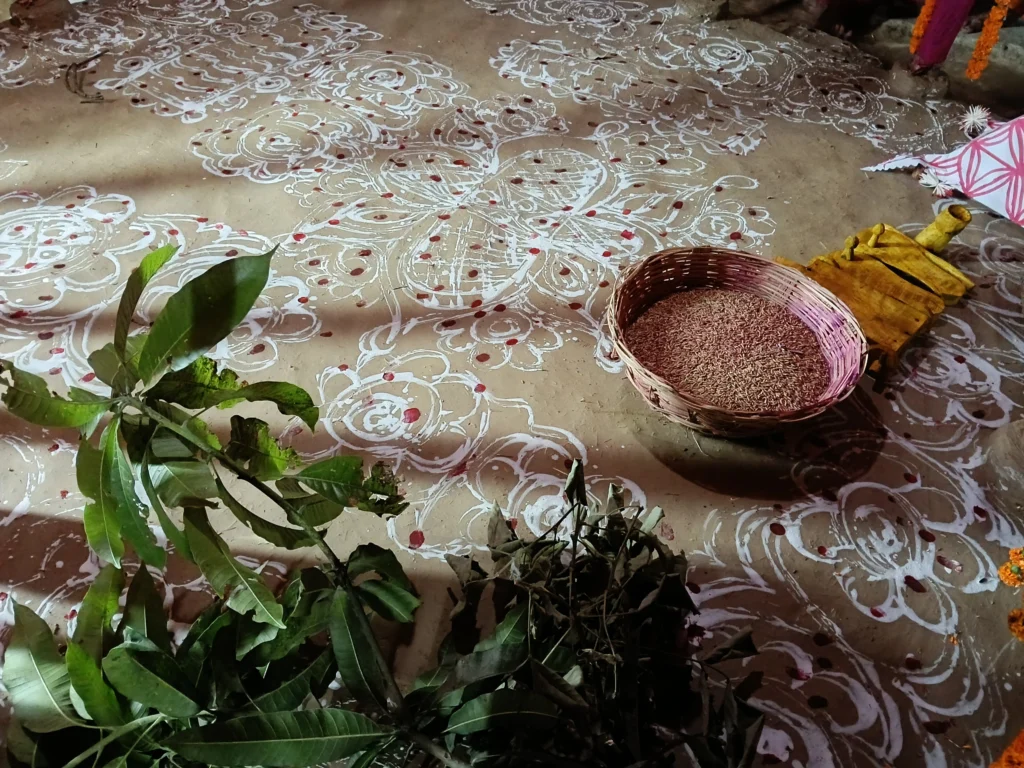
In the Bhojpuri region of western Bihar, wedding songs are just as varied. Among the genres described in accounts of Bhojpuri music are lachari, amusing and gently teasing songs sung by women during wedding ceremonies, and jhumar, a song of gaiety sung on festive occasions, especially weddings. Teasing songs aimed at the groom and his party are a much-loved custom across north India, allowing the women of the bride’s family to have some fun at the expense of their guests. Other songs are tender or sad, especially those sung at the bride’s farewell.
Why the farewell songs matter most
Of all the wedding songs, the songs of farewell are the most emotional. In a traditional marriage, the bride leaves her parents’ home and village to live with her husband’s family, often far away. The samdaun of Mithila and the farewell songs of the Bhojpuri region express the grief of this parting, from the point of view of the bride, her mother and her friends. Many people in Bihar say that hearing these songs at a wedding never fails to bring tears.
People and places
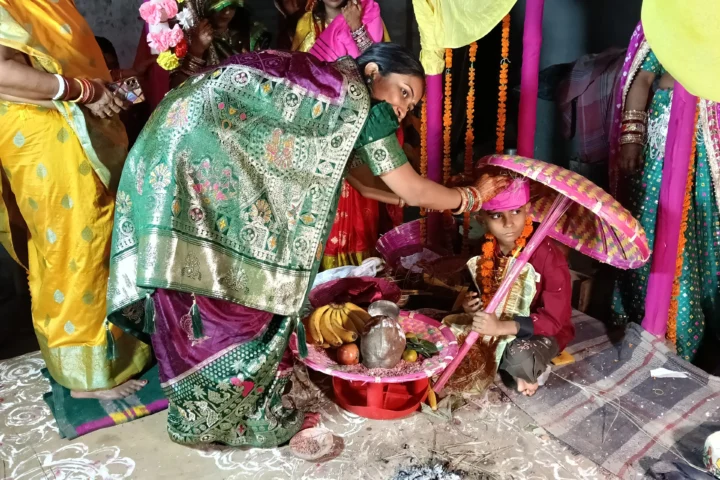
Wedding songs are sung in every part of Bihar, from Mithila in the north to the Bhojpuri region in the west and Magadh and Anga in the south and east. They are sung in homes and courtyards, under the marwa, the bamboo wedding canopy of Mithila pictured at the top of this page, and on the road as the bride departs.
Among the singers who brought these songs to a wider audience, the most important was Sharda Sinha (1952–2024), whose recordings of vivah geet in Maithili and Bhojpuri became part of family celebrations across Bihar and among people of Bihari origin everywhere. Many families now play her songs at weddings alongside the women’s own singing.
Significance
Wedding songs are a record of social life. In them, women describe the joys and anxieties of marriage, the relationships between families, the expectations placed on brides and the pain of leaving home. They can be funny, sharp, sad and devotional, sometimes within the same song. They also preserve vocabulary, images and stories that might otherwise be lost, including many episodes from the story of Ram and Sita.
Regional variations and travels
Each region, caste and even family may have its own wedding songs. The Bhojpuri wedding songs also travelled far beyond India with the indentured labourers who went to the Caribbean and elsewhere in the 19th century. In Trinidad and Guyana, chutney music evolved from Bhojpuri wedding songs performed primarily by women into a popular public genre.
Facts worth knowing
- In Mithila, the wedding day begins with suhag songs and ends with samdaun.
- Athongar is sung without a steady beat while the groom pounds with a rice-husking pestle.
- Lachari are teasing wedding songs of the Bhojpuri region.
- Caribbean chutney music has its roots in Bhojpuri wedding songs sung by women.
How the tradition is changing
Weddings today are shorter, families are smaller and recorded music, DJs and bands are now common. In many homes, fewer women know the full repertoire, and some songs are disappearing. At the same time, the songs are being recorded, shared online and performed on stage by new singers, and many families make a point of having older women lead the traditional songs even at modern weddings. Researchers and cultural organisations are also documenting them as intangible heritage.
Wedding songs in modern Bihar
In Bihar today, wedding songs live alongside film music and DJs. A single wedding may feature a brass band, a sound system and a courtyard full of women singing lagan and samdaun. For many families, the traditional songs are what make a wedding feel truly Bihari.
Conclusion
The wedding songs of Bihar are a treasury of women’s voices, created and passed on over generations. They carry laughter and teasing, devotion and grief, and they turn a family event into a shared cultural experience. Listen closely at a Bihari wedding, and you will hear centuries of tradition in the courtyard. For more of Bihar’s music, read our guide to the folk songs of Bihar.