Seven things you may not know about Bihar’s heritage
The oldest rock-cut caves in India, Asia's largest freshwater oxbow lake and the first of the world's peace pagodas are all in Bihar.
Bihar’s best-known landmarks draw pilgrims and travellers from around the world. Here are seven facts that often surprise visitors, with links to read more.
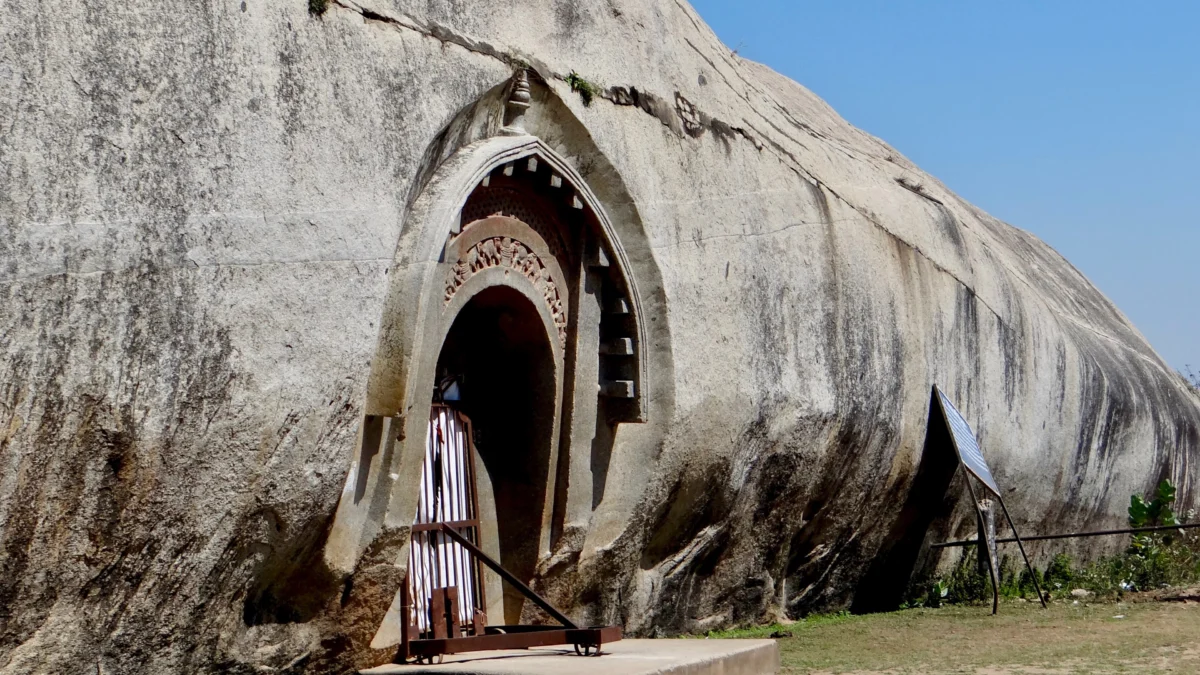
1. India’s oldest surviving rock-cut caves are here
The Barabar Caves in Jehanabad district date mostly from the Maurya period, and some carry inscriptions from the time of Ashoka. E. M. Forster drew on them for the Marabar Caves of A Passage to India.
2. One of the earliest republics had its capital at Vaishali
Vaishali was the capital of the Vajjika League, often cited as one of the first examples of a republic, from around the 6th century BCE.
3. Asia’s largest freshwater oxbow lake is in Begusarai
Kanwar Lake, or Kabartal, became Bihar’s first Ramsar site, a wetland of international importance, in November 2020.
4. The first of the world’s peace pagodas stands in Rajgir
The Vishwa Shanti Stupa on Ratnagiri Hill, completed in 1969, was the first of around 80 peace pagodas built by the Japanese order Nipponzan Myohoji.
5. Patna’s Golghar was built to fight famine
The Golghar granary was completed in 1786. A 145-step spiral stairway leads to the top.
6. The shehnai heard at independence came from Dumraon
Ustad Bismillah Khan, born at Dumraon in Buxar district, played at the Red Fort on 15 August 1947.
7. A Nalanda sweet has its own GI tag
Silao khaja, the flaky sweet from Silao in Nalanda district, received a Geographical Indication tag in December 2018.